2026 Top Iron Front Entry Doors for Sale

The right iron front entry doors do more than frame a façade. They shape the first impression, control daylight, and affect daily comfort. In 2026, buyers will find designs ranging from slim, modern frames to ornate scrollwork, with glass, finishes, and hardware choices that can change both appearance and upkeep.

Architect Mies van der Rohe’s famous principle, “Less is more,” offers a useful lens for comparing these doors. A restrained frame can make a bold statement, while intricate ironwork may suit a traditional home. Yet style alone is not enough. Look closely at frame construction, glazing, weather seals, finish quality, and the seller’s warranty. Details matter.

This guide explores leading iron front entry doors for sale in 2026, along with the features that separate a striking photo from a dependable everyday entrance. It considers design, durability, customization, and value, while noting that prices and specifications vary by maker and region. A heavy door may feel reassuring, but weight alone does not prove quality. Check installation requirements, too; they are easy to overlook. Not glamorous, but important.

No single door fits every home. A shaded porch, coastal exposure, or narrow entry can change what makes sense. Treat any ranking as a starting point, not a verdict. The best choice should suit your home, budget, and maintenance tolerance—and still feel right when you reach for the handle each morning.
2026 Top Iron Front Entry Doors for Sale

What Defines an Iron Front Entry Door in 2026?

In 2026, “iron front entry door” often describes a steel door with an iron-style look, not solid wrought iron. The distinction matters. Steel provides a sturdy core, while decorative scrollwork, glass, and finishes shape the appearance. A well-built unit also needs a rigid frame, reliable weather seals, and careful installation. Look for tested performance details, such as U-factor and air-leakage ratings; the National Fenestration Rating Council explains how these measures help compare door products. A heavy door alone proves little.

Appearance is only part of the choice. In Remodeling’s 2024 Cost vs. Value report, a modeled steel entry-door replacement cost $2,355 nationally and had an estimated resale value of $4,430. That is a modeled comparison, not a guaranteed return; local labor, sizing, and finishes change costs. Nor does a resale estimate measure comfort or durability. The report offers useful context, but it cannot tell you whether a specific door will seal well in your home.

Tip: Ask for the door’s performance ratings and confirm the installer will seal the frame perimeter. Check the bottom sweep, too. A small daylight gap can invite drafts and rain. If the door includes large glass panels, compare the glass rating as well; the most ornate design may not suit every climate. That trade-off deserves a second look.

Popular Styles and Designs of Iron Entry Doors

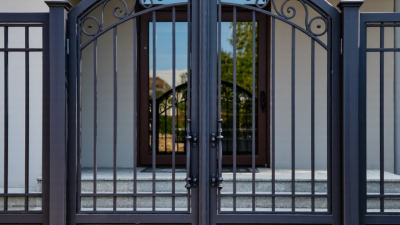
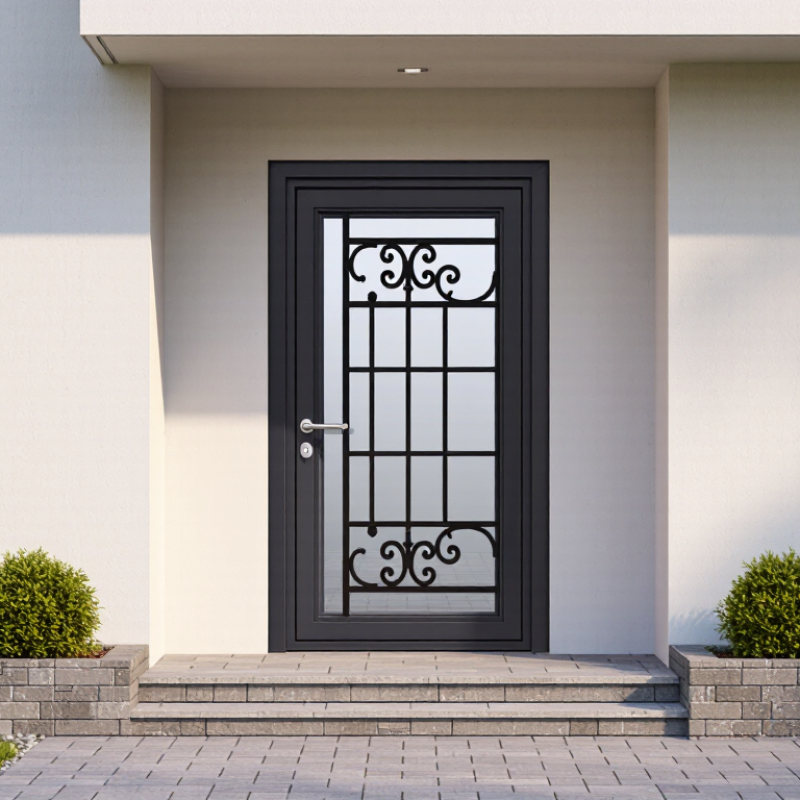
Iron entry doors suit a range of homes, from traditional to contemporary. Arched frames with modest scrollwork create a classic focal point, while straight lines and square panels feel cleaner and more modern. Double doors can make a broad entrance feel balanced, but they need enough clearance to open comfortably. Details matter. Glass inserts add daylight; textured or frosted glass can soften views from outside. Check that the door’s glazing and weather seals suit your climate and privacy needs.

Tips: Measure the opening, including trim and floor clearance, before choosing a style. Ask how the finish handles rain, sun, and coastal air. Compare glass options in daylight, not only under showroom lighting. Small details count.

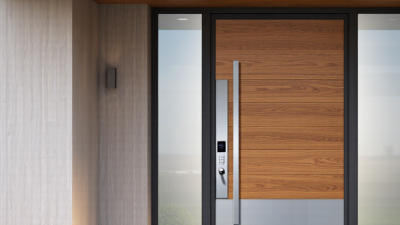
Match the design to the house rather than treating the door as a separate feature. A dark finish can frame pale stone, while a warm metal tone may complement brick or wood. Look closely at hinge placement, handle height, and the weight of decorative elements. A heavily ornamented door may feel impressive in a catalog, yet overwhelm a narrow porch. That is easy to miss.

Consider upkeep, too: intricate patterns can collect dust, and visible glass may require more frequent cleaning. A simple design is not always the right choice, but it can be easier to live with.

Materials, Construction, and Security Features

For 2026, compare iron entry doors by more than their scrollwork. A solid frame, well-fitted hinges, and secure jamb anchoring help manage the door’s considerable weight. Look for a thermal break between the interior and exterior metal, continuous weatherstripping, and an insulated core. Otherwise, a handsome door may still feel cold near the handle. For glazed panels, check the National Fenestration Rating Council label for U-factor and solar heat gain information. Ratings make comparisons clearer, though installation quality still matters.

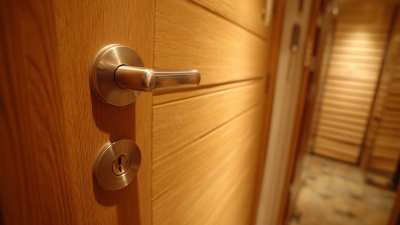
Security depends on the whole opening, not just a heavy slab. A reinforced frame, long deadbolt, and properly secured strike plate reduce weak points. Multi-point locks can engage the frame at several locations. If the door includes glass, ask about laminated glazing and how it is retained in the frame. No single feature guarantees security. Remodeling magazine’s 2024 Cost vs. Value report estimated a 188.1% cost recoup for a steel entry-door replacement project. That is a resale benchmark, not a performance rating for iron doors.

Tips: Measure the rough opening, including jamb depth, before ordering. Ask the installer how the frame will be anchored and how thermal breaks are protected during fitting. Request the door’s weight and hardware specifications in writing. Small details matter. A slightly imperfect seal can invite drafts and water.

Energy Efficiency, Maintenance, and Installation

When comparing 2026 iron front doors for sale, look beyond the decorative grille. A thermally broken frame can reduce heat transfer between outdoors and indoors. Tight weatherstripping and an insulated core also help limit drafts. Ask for documented thermal performance, rather than relying on appearance alone. If the door has glass, check whether the glazing is insulated and suited to your climate. Small gaps matter.

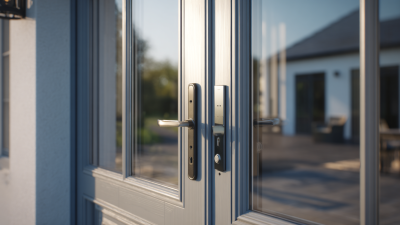
Installation affects performance as much as the door itself. The frame should sit square and plumb, with secure anchoring and careful sealing around the opening. An installer should also address drainage at the sill, so rainwater does not collect against the threshold. Use compatible low-expansion foam and exterior sealant; too much foam can distort the frame. I would not assume a heavy door automatically feels solid once installed. Poor alignment can cause sticking, uneven gaps, or a weak seal. After installation, open and close it several times, then check for daylight around the edges. Keep the finish clean, inspect weatherstripping seasonally, and touch up scratches before rust develops. A little upkeep helps.

2026 Top Iron Front Entry Doors for Sale: Energy Efficiency, Maintenance & Installation

Suggested maintenance intervals for keeping an iron entry door’s finish and weather seals in good condition.

These intervals are a general planning guide, not a product rating or universal standard. Exposure, finish type, and manufacturer instructions can affect care needs. Check weather seals and installation gaps regularly; properly fitted seals can help reduce drafts.

How to Compare Iron Front Entry Doors for Sale in 2026

2026 Top Iron Front Entry Doors for Sale

How to Compare Iron Front Entry Doors for Sale in 2026

When comparing iron front entry doors for sale, look beyond the photos. Check the frame and panel construction, then ask for the metal thickness and finish details. A heavy door can feel reassuring, but weight alone does not guarantee durability. Inspect the welds, corners, and hinge attachment points for clean, even work. Small flaws matter.

Glass deserves close attention. Ask whether it is insulated, how it handles heat, and whether the design affects privacy. If you can, view a sample in daylight; dark glass may look very different indoors. Also compare weatherstripping, thermal breaks, and the threshold. These details can affect drafts and comfort as much as the door itself.

Compare the full installed price, not just the listed door cost. Installation conditions, hardware, and any needed adjustments can change the total. Ask what the warranty covers, and get measurements confirmed before ordering. A precise fit is essential. I would not choose based on ornament alone, even if a scrollwork pattern looks striking. It is easy to overvalue appearance at first, then notice a stiff latch or cold air near the frame every day.

2026 Top Iron Front Entry Doors for Sale - How to Compare Iron Front Entry Doors for Sale in 2026

Door configuration Common nominal size Typical construction Glazing and privacy Thermal and weather considerations Typical U.S. door-unit price* Best fit
Single door, solid panel 36 × 80 in. (about 914 × 2032 mm) Wrought-iron or steel frame with an insulated core or solid infill; exact construction varies by model. No glass; highest privacy among these configurations. Look for a thermal break, perimeter weatherstripping, and a well-sealed threshold to limit heat transfer and drafts. About $1,500–$4,000 Entrances where privacy and a simple opening are priorities.
Single door with glass insert 36 × 80 in. (about 914 × 2032 mm) Steel or iron frame with a glazed panel; insulated glass may be available. Clear glass admits more daylight; textured or patterned glass provides more privacy. Ask for the glass package and whole-door energy ratings; glass area and frame design affect performance. About $2,000–$5,000 Homes that need daylight without widening the entrance.
Single door with two sidelights Common overall unit: about 64–72 × 80 in. (1626–1829 × 2032 mm) One operable door flanked by fixed glazed panels; verify the rough opening and frame dimensions. Sidelights increase daylight and the visible opening; glass can be clear, textured, or privacy-rated. More glazing means seals and glass specifications matter. Check weather seals at the door and sidelights. About $3,000–$7,000 Wider entrances where extra daylight is desirable.
Double doors Common overall width: about 60–72 in. (1524–1829 mm); 80 in. high (2032 mm) Two hinged leaves, often with one active leaf and one secured with flush bolts. Available with solid panels or decorative glazing; privacy depends on glass selection. The meeting stile and additional seals need careful fitting to reduce air and water leakage. About $3,500–$8,000 Broad entryways and moving large furnishings through the entrance.
Double doors with transom Custom overall size; a transom adds height above the doors. Double-door assembly with a fixed glazed panel above; confirm structural support and opening measurements. A glazed transom brings in light while keeping the main door panels solid or partly glazed. More glass and custom framing can affect energy performance, lead time, and installation complexity. About $5,000–$12,000+ Tall, formal entryways with enough wall and structural clearance.
Custom-size or oversized iron door Made to the project opening; dimensions vary. May use heavier framing, custom patterns, and bespoke glazing; specifications are project-dependent. Glass size, texture, and layout are generally selected for the specific design. Confirm door weight, wall support, hardware capacity, finish protection, and installation requirements before ordering. About $6,000–$15,000+ Distinctive openings that do not suit standard sizes or layouts.

*Price ranges are broad, indicative U.S. estimates for the door unit only, not quotes; finish, glass, size, shipping, hardware, and installation can change the total substantially. Sizes shown are common examples, not guaranteed available dimensions. Compare actual rough-opening requirements, whole-door energy ratings, warranty terms, and local building-code requirements before purchase.

Facebook Twitter Instagram Linkedin Youtube