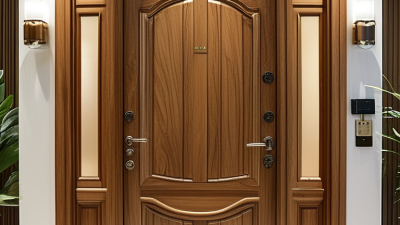
Why Choose Wood Entrance Doors for Your Home?

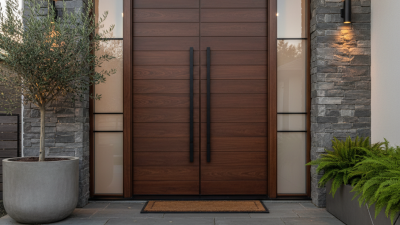
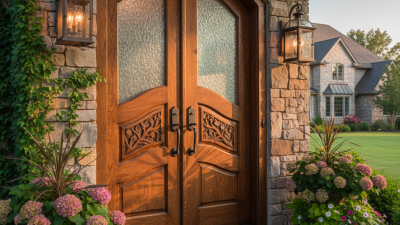
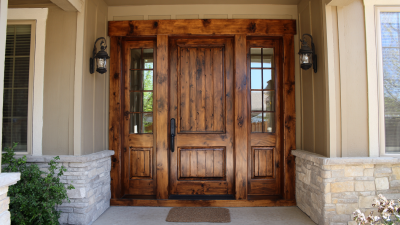
Choosing wood entrance doors can change how a home feels before anyone crosses the threshold. Their grain, weight, and natural warmth create an impression that steel or synthetic materials may struggle to match. A well-made oak door can show cathedral grain beneath a clear finish, while painted cedar offers a softer, more traditional appearance. These details are practical, not merely decorative.

Building-science educator Steve Baczek often reminds builders, “A wall is a system, not a collection of materials.” That principle applies directly to wood entrance doors. The slab, frame, weatherstripping, threshold, flashing, and surrounding wall must work together. Otherwise, even beautiful timber may permit drafts or moisture. Proper installation matters.

Wood also allows useful customization. Homeowners can select species, panel patterns, glazing, stain colors, and hardware for a precise fit. Solid construction can provide reassuring sound control and a substantial closing feel. However, wood is not maintenance-free. Sunlight can fade finishes, and exposed edges may absorb water. I have seen neglected doors lose their crisp shape around the lower rail.

That weakness deserves honest attention. Recoating schedules vary with climate, orientation, and exposure. A sheltered porch may protect a door for years, while a western-facing entrance needs closer inspection. Responsible suppliers should explain moisture content, joinery, finishing systems, and certified sourcing. When these factors are handled carefully, wood entrance doors offer lasting character, repairability, and a more personal welcome home. They are not perfect. That may be part of their appeal.
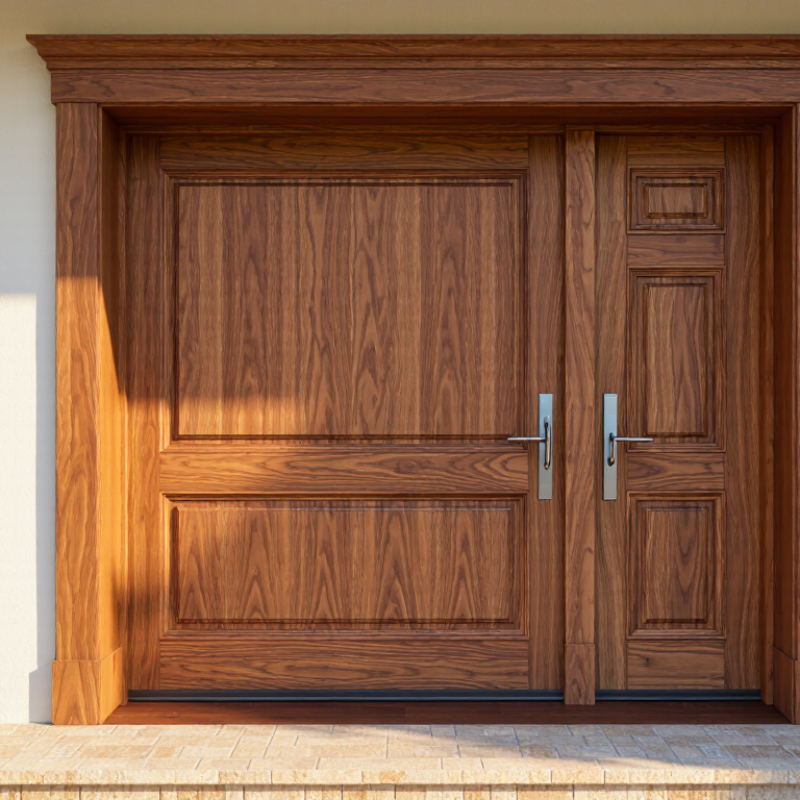
Why Choose Wood Entrance Doors for Your Home?

What Are Wood Entrance Doors?

Wood entrance doors are exterior doors made from natural wood or engineered wood with a real wood surface. Solid wood doors may use oak, pine, walnut, or other durable species. Engineered construction often combines layered wood fibers for better stability. This distinction matters because wood naturally expands and contracts with humidity.

A wood entrance door usually includes a slab, frame, hinges, weather seals, and a threshold. Its surface may show visible grain, knots, or carefully matched panels. These details give the entryway a warmer, more individual appearance than many manufactured materials. The door can also reduce drafts when its seals fit correctly. Small gaps are not harmless.

In practical home inspections, moisture protection deserves close attention. An overhang can shield the door from heavy rain and direct sunlight. Regular checks should look for peeling finish, swelling near the bottom edge, or loose hardware. Refinishing may be needed every few years, depending on exposure. They are not maintenance-free. I once underestimated how quickly a poorly protected lower rail could deteriorate. That mistake is worth remembering. Good installation, balanced hinges, and a properly adjusted latch help the door close securely without forcing it. A wood entrance door is beautiful, but its performance depends on design, climate, and consistent care.

How Do Wood Entrance Doors Enhance Home Design?

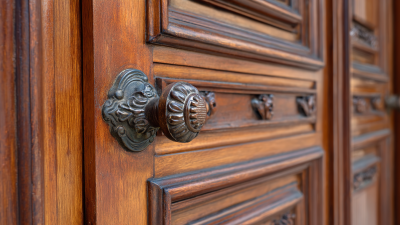
Wood entrance doors can shape a home’s design before guests notice the furniture. Their natural grain adds warmth, depth, and a tactile quality that painted metal often cannot provide. A carefully proportioned wood door can make a narrow entry feel calmer and more welcoming. Glass panels can bring daylight into a dim hallway. Raised panels, clean lines, or carved details can also support traditional, modern, or transitional interiors.

In my experience, the best results come from matching the door’s character with the building’s proportions. A wide entrance may suit bold grain patterns, while a smaller doorway benefits from simpler detailing. Wood also accepts stains and paint, giving homeowners more control over color changes later. However, it is not maintenance-free. I once underestimated how quickly an unprotected lower edge could absorb moisture. Professional installation, proper sealing, and regular inspections help reduce warping, swelling, and finish damage. Local climate matters too.

Tips: Select weather-resistant wood suited to your region. Check that the threshold drains water away from the entry. Use a finish with UV and moisture protection. Inspect the bottom edge every season. Keep the design practical. A beautiful door that sticks is still a daily frustration.

Why Choose Wood Entrance Doors for Your Home?

How do wood entrance doors enhance home design? Their natural grain, color variation, and ability to be stained or painted make it easier to coordinate an entryway with different architectural styles. The chart compares the Janka hardness of commonly used door woods, an objective indicator of resistance to indentation and everyday surface wear.

Janka hardness values are measured in pounds-force (lbf). Higher values generally indicate greater resistance to denting. Values shown are commonly reported averages for clear, kiln-dried wood and may vary by sample and growing conditions. Source: USDA Forest Products Laboratory, Wood Handbook: Wood as an Engineering Material.

What Materials and Construction Options Are Available?

Wood entrance doors offer warmth that painted steel and synthetic materials rarely reproduce. The grain feels natural under your hand. More importantly, wood allows several construction choices for different climates, budgets, and architectural styles.

Solid hardwood doors use one primary species throughout the slab. They can be strong, repairable, and visually distinctive. However, seasonal moisture may cause slight swelling or movement. Engineered wood uses layered timber with a stable core, reducing some warping risks. A solid-core door with a hardwood veneer can provide a similar appearance at a lower weight and cost. Inspect the edge carefully. Poorly sealed edges often absorb moisture first.

Construction details matter as much as the material. Mortise-and-tenon joints can strengthen traditional door frames, while reinforced engineered cores improve stability in larger panels. Multi-point locks, compression seals, and a properly fitted threshold help limit drafts and rain entry. Double-glazed panels can add daylight, but they need secure framing and weather-resistant seals. A deep overhang offers useful protection.

Finish selection deserves practical attention. Exterior-grade stains reveal grain but may need regular renewal. Opaque paint offers stronger color coverage and can hide minor variations. Neither option eliminates maintenance. I have seen beautiful doors deteriorate because the bottom edge was ignored. Check it twice a year, especially after wet seasons. Installation should account for drainage, wall movement, and local exposure. A carefully made door can still perform poorly when the surrounding frame is uneven.

How Do Wood Doors Perform in Security and Energy Efficiency?

Why Choose Wood Entrance Doors for Your Home?

A wood entrance door can feel substantial, but appearance alone does not prove security. The U.S. Department of Energy reports that windows account for about 25–30% of residential heating and cooling energy use. Door glazing and poorly sealed frames can create similar problems. A solid wood slab usually insulates better than a thin metal panel because wood transfers heat more slowly. However, the USDA Forest Products Laboratory’s Wood Handbook explains that wood density and moisture content affect thermal conductivity. Performance is not identical across species.

Security depends on the complete entrance system. A reinforced frame, long screws, quality hinges, and a tested lock often matter more than door thickness. The National Fenestration Rating Council evaluates U-factor and solar heat gain for labeled fenestration products. These figures help compare doors with glass sections. A lower U-factor generally indicates less heat transfer. Small gaps matter.

Weatherstripping deserves attention. Field installers frequently find air leakage around the frame, not through the wood itself. That detail is easy to miss. The U.S. Department of Energy recommends checking seals and thresholds because compressed or damaged weatherstripping reduces efficiency. A professional installation should keep the slab aligned and the latch fully engaged. Still, wood can swell, shrink, or crack when moisture changes. I once assumed a heavier door would always perform better. That assumption was incomplete. Durability requires finish maintenance, drainage, and periodic inspection.

What Maintenance Do Wood Entrance Doors Require?

Why Choose Wood Entrance Doors for Your Home?

What Maintenance Do Wood Entrance Doors Require?

Wood entrance doors need regular care because they respond to moisture, sunlight, and temperature changes. In practice, inspect the door every three months. Look closely at the lower edge, corners, and joints. These areas often show water damage first.

Clean the surface with a soft cloth and mild soap. Avoid soaking the wood. Excess water can enter small cracks around panels and glass. After cleaning, check the protective finish for peeling, fading, or dull patches. A quality exterior finish usually needs renewal every few years. The exact timing depends on sunlight, rainfall, and local humidity.

Check the hinges and locks during each inspection. A few drops of suitable lubricant can prevent stiffness and uneven movement. Make sure the door closes without scraping the threshold. If it sticks, seasonal swelling may be responsible. However, forcing it can worsen the problem. Adjustments should be made carefully, preferably by an experienced door professional.

Small cracks deserve prompt attention. Sanding and refinishing may solve minor surface damage. Deeper splits can allow moisture behind the finish. That repair may require professional assessment. I have seen homeowners delay simple maintenance until the lower rail becomes soft. It is an avoidable mistake. Even careful owners miss hidden damage sometimes. A flashlight and slow inspection can reveal more than a quick glance.

Facebook Twitter Instagram Linkedin Youtube