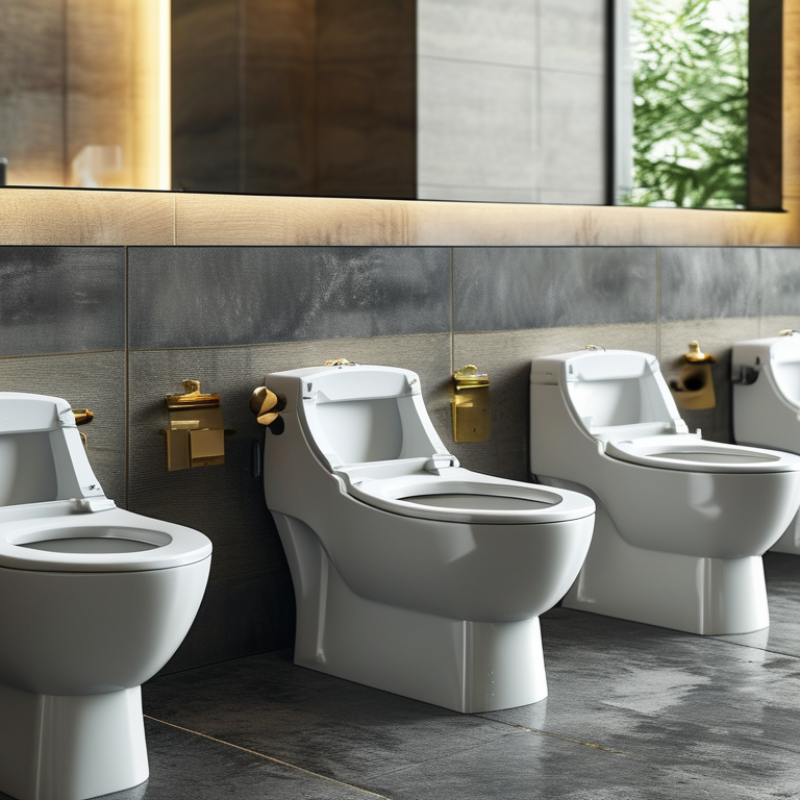
What is a Water Saving Toilet and How Does it Work?
Water Saving Toilets are an essential innovation in modern plumbing. These toilets are designed to reduce water usage while maintaining high performance. They work by using advanced flushing systems that optimize water flow.
With the rising concerns about water scarcity, Water Saving Toilets offer a practical solution for both homes and businesses. They typically use 1.28 gallons per flush compared to traditional toilets, which can use 3.5 to 7 gallons. This significant reduction helps conserve an enormous amount of water over time.
However, not all Water Saving Toilets perform equally. Users may sometimes experience issues with clogs or insufficient flushing power. It's essential to research and choose models with proven reliability. Overall, adopting a Water Saving Toilet is a step towards environmental responsibility, but thoughtful selection is crucial for optimal performance.
What is a Water Saving Toilet?
A water-saving toilet is designed to reduce water usage without sacrificing performance. Typically, these toilets use innovative flushing systems that require less water per flush. Traditional toilets may use 1.6 gallons per flush, while water-saving models operate efficiently with only 1.28 gallons or less. This difference can lead to significant water conservation in the long run.
Choosing a water-saving toilet can also be an opportunity for reflection. Not everyone is aware of the impact of their water usage on the environment. In some cases, individuals may hesitate to switch from older models out of concern for flushing efficiency. It's essential to consider that modern designs incorporate advanced technology. They often flush waste more effectively than older toilets.
Installation and maintenance can also bring challenges. Homeowners might find it daunting to navigate the various options available. Research and professional advice can help. Understanding plumbing and water systems is crucial for optimal performance. This aspect emphasizes the importance of reliable resources when making a decision. A well-informed choice can lead to significant water savings and contribute to environmental protection.
Principles Behind Water Conservation in Toilets
Water-saving toilets are designed to reduce the amount of water used per flush. Traditional toilets use up to 6 gallons, but efficient models use just 1.28 gallons or less. This significant reduction helps conserve water. The principles of water conservation in toilets revolve around better technology and designs that optimize every flush.
Dual-flush toilets are one popular design. They offer two flush options: one for liquid waste and another for solid waste. This feature encourages users to choose a smaller flush when appropriate. Another effective design is the pressure-assisted toilet. It uses pressurized air to create a more powerful flush with less water. These innovations showcase how engineering can impact water usage.
To further enhance water savings, consider checking for leaks regularly. A simple leak can waste gallons of water daily. Adjusting your flushing habits can also help. If it’s yellow, let it mellow is a good guideline to follow in some households. Remember, every little effort counts towards conserving our precious water resources.
Types of Water Saving Toilets Available Today
Water-saving toilets have transformed the way we manage water use in our homes. These toilets are designed to use significantly less water per flush than standard models. They can save a substantial amount of water, making them an eco-friendly choice. This reduction in water usage can be beneficial for both the environment and your utility bills.
There are various types of water-saving toilets available today. Dual-flush toilets offer two options: a partial flush for liquid waste and a full flush for solid waste. This allows users to select the appropriate amount of water needed for each type of flush. Composting toilets, on the other hand, use little to no water and break down waste naturally. While effective, they require more maintenance and might not suit every user’s lifestyle.
Gravity-flush toilets are another popular option. They rely on gravity to remove waste, needing less water than traditional models. However, they may not be as powerful for larger waste. Pressure-assisted toilets use air pressure to enhance flushing power. They typically use around 1.28 gallons per flush. Users may find them louder than gravity-flush toilets. Each type has its pros and cons, making it essential for homeowners to assess their water-saving needs and preferences.
How Water Saving Toilets Function Mechanically
Water-saving toilets are designed to minimize water usage without sacrificing performance. They achieve this through efficient mechanical designs. Typically, these toilets use a dual-flush system, allowing users to select between two flush volumes. The lower flush uses less water for liquid waste, while the higher flush handles solid waste effectively. This simple choice reduces overall water consumption in households.
Inside these toilets, a valve mechanism regulates the flow of water. Upon flushing, the valve opens, releasing water from the tank into the bowl. The tank refills after each use, but with less water than traditional models. Some designs include a pressure-assist technology that uses air pressure to enhance flushing power. This counterintuitive method ensures effective waste removal while conserving resources.
Installation is often straightforward, but problems can arise. Misalignments can lead to leaks, and improper fitting may affect flushing efficiency. Regular maintenance is important to address these issues. Over time, mineral buildup can hinder the flow. Awareness of these potential shortcomings is vital for long-term efficiency. Understanding how these toilets work can help users appreciate their contribution to sustainable living.
Water Saving Toilet Efficiency Comparison
Benefits of Using a Water Saving Toilet for Environment and Economy
A water-saving toilet is designed to use significantly less water than traditional models. They operate through various mechanisms that optimize water usage with each flush. By incorporating efficient flush systems, these toilets help conserve a precious resource while maintaining cleanliness and hygiene.
Switching to a water-saving toilet has several benefits. It not only helps reduce monthly water bills but also mitigates the pressure on local water supplies. This is especially crucial during droughts or in areas prone to water scarcity. Additionally, many regions offer incentives for installing low-flow toilets, creating both environmental and economic advantages.
Consider this: a family can save thousands of gallons of water each year by simply upgrading their toilets. However, not all models are equal in efficiency. Look for toilets that meet certified standards for water conservation. It’s essential to research and compare options. Sometimes, cheaper models may not perform well and can lead to higher water usage over time.
Check if the toilet has dual-flush options, allowing users to select a lower volume for liquid waste. This feature encourages water conservation without sacrificing functionality. Your choice can lead to a healthier planet, and it sets a responsible example for others. Investing in a water-saving toilet is a step towards sustainability, impacting both the environment and your finances positively.
What is a Water Saving Toilet and How Does it Work? - Benefits of Using a Water Saving Toilet for Environment and Economy
| Feature | Standard Toilet | Water Saving Toilet |
| Average Water Consumption Per Flush | 1.6 - 3.5 gallons | 1.28 gallons or less |
| Annual Water Usage (assuming 5 flushes/day) | Approx. 2,500 gallons | Approx. 1,100 gallons |
| Reduction in Water Usage | - | Up to 60% |
| Average Cost Savings Per Year | - | $100 - $200 |
| Environmental Impact | Higher water consumption | Lower water consumption, reduced sewage treatment |
| Availability of Models | Limited styles | Various styles and designs available |