
How to Source Magnet Animal Toys in 2026?

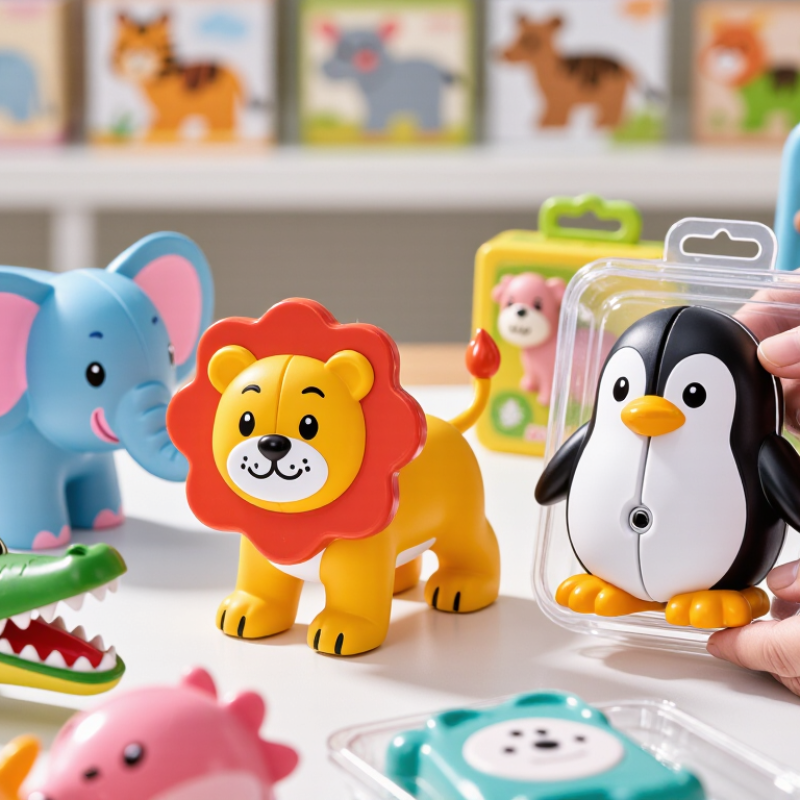
Sourcing Magnet Animal Toys in 2026 requires more than comparing prices on a supplier platform. Buyers must examine materials, magnet design, production controls, and the supplier’s documented experience. A colorful lion or penguin may look harmless, yet a loose magnet can create a serious safety risk. Product appeal matters, but safety comes first.

A reliable sourcing process begins with a clear product brief. Define the target age, dimensions, magnet strength, surface finish, packaging, and intended use. Request samples from several factories, then inspect seams, coatings, joints, and magnet retention by hand. Ask for test reports from qualified laboratories and verify whether the documents match the exact product version. Supplier audits can reveal inconsistent assembly, weak traceability, or rushed inspections. Small details matter.

Choose evidence over confident promises.

Experienced buyers should also review factory capacity, material declarations, quality records, and corrective-action procedures. Confirm that the supplier understands applicable product-safety requirements in every target market. Requirements may change, so professional compliance advice remains valuable. A written inspection plan can cover incoming materials, in-process checks, final assembly, packaging, and shipment approval. Keep dated photographs and sample records for comparison.

No sourcing plan is flawless. A sample may pass while later production drifts. That possibility deserves attention. Build in independent inspections, realistic lead times, and a process for rejecting nonconforming goods. The strongest Magnet Animal Toys program balances playful design with measurable quality, transparent communication, and responsible decision-making. In 2026, trust should be earned through repeatable evidence, not attractive catalog images.
How to Source Magnet Animal Toys in 2026?

Define the Market and Use Cases for Magnet Animal Toys

Before sourcing magnet animal toys in 2026, define the buyer and the setting. The market includes preschool families, early-learning centers, gift retailers, and collectors seeking decorative products. Each group values different features, from simple handling to visual detail and display quality. Do not treat all buyers alike.

For young children, the main use case is supervised matching, sorting, and storytelling. Toys should have smooth surfaces, secure construction, clear age guidance, and appropriately enclosed magnets. Early-learning centers may need larger sets for group activities, washable materials, and storage trays. Retail buyers often prefer compact packaging, strong shelf appeal, and animal themes linked to farms, oceans, or forests. Adult collectors may prioritize realistic shapes, paint accuracy, and stable display performance. These needs affect the product specification and target price.

In practical sourcing work, I would compare use cases before requesting samples. Check magnet retention, seam strength, surface finish, odor, and packaging durability. Ask suppliers for material details, test reports, traceability records, and age-grade documentation. Independent testing is valuable, especially when products contain small magnetic components. A sample can look excellent yet fail after repeated drops or cleaning. That mistake is easy to overlook. I would also test the toy with real users under controlled supervision, recording confusing instructions and weak play patterns. Market assumptions are rarely perfect. A detailed animal shape may attract adults but distract younger children. Buyers may also prefer fewer pieces if storage is limited. These observations should guide quantity, packaging, and final supplier selection.

Set Safety, Quality, and Regulatory Requirements

How to Source Magnet Animal Toys in 2026?

Safety requirements must guide every sourcing decision. The U.S. Consumer Product Safety Commission reported about 2,400 magnet-ingestion injuries treated in emergency departments from 2010 to 2021. Therefore, animal toys need sealed magnet compartments, secure stitching, and clear age grading. Test prototypes after drops, twisting, seam pulling, and repeated washing. Check whether magnets remain accessible after damage. Small parts can become dangerous quickly.

Quality evidence should be specific, current, and batch-linked. Request reports from an ISO/IEC 17025-accredited laboratory, covering magnetic strength, coating durability, heavy metals, flammability, and mechanical performance. A supplier certificate is not proof by itself. The EU Safety Gate 2023 report recorded 3,412 alerts, with toys representing 15% of notifications. That figure shows why traceability matters. Require production samples, lot codes, material declarations, and corrective-action records. Review ASTM F963 requirements for the United States and applicable European toy-safety rules before approval. In 2026, also verify requirements under U.S. 16 CFR Part 1262 for magnet products. Documentation can still contain gaps. Ask difficult questions. Suppliers should explain test methods, sample numbers, laboratory dates, and failure handling. If a toy’s magnet is hidden behind thin fabric, I would treat that design as unfinished, even when the first test passes.

Find and Evaluate Qualified Magnet Toy Suppliers

Sourcing magnet animal toys in 2026 requires more than comparing factory prices. Qualified suppliers should provide traceable material records, production photos, and recent third-party test reports. Ask whether magnets are fully enclosed, mechanically secured, and tested after drop, pull, and twist stress. A loose magnet can create a serious ingestion hazard, especially in toys with soft fabric seams.

Use ISO 8124, ASTM F963, and applicable regional toy-safety requirements as evaluation references. The EU Safety Gate 2023 report identified toys as one of the most frequently notified product categories, representing about 15% of alerts. This signals a practical lesson: attractive packaging does not prove product safety. Request reports covering small parts, coating migration, sharp points, flammability, and magnet retention. Verify the laboratory’s accreditation and match the report’s model number to the sample.

Tips:Visit the production line when possible. Check how workers close seams and count magnets. Ask for batch-level inspection records, not only a “passed” certificate. Compare three samples from different cartons. A perfect sample may hide inconsistent stitching. I would also test the toy after washing, squeezing, and repeated play. That step is easy to skip, yet real children do not use toys gently. Supplier evaluation should include response speed, corrective-action evidence, factory capacity, and willingness to disclose failed tests. A low quote may simply exclude critical testing.

Compare Samples, Pricing, Customization, and Minimum Orders

How to Source Magnet Animal Toys in 2026?

Sourcing starts with physical samples, not catalog photos. Request three samples from each supplier. Compare magnet strength, animal shapes, paint coverage, seams, and packaging. Hold each toy under normal play conditions. Check whether magnets remain fully enclosed after repeated drops. Small details matter. Ask for material declarations, age guidance, and recent safety test reports. A supplier should explain testing methods clearly, not just send a certificate image.

Pricing needs a wider view than unit cost. My early comparisons were too narrow. Freight, sample fees, tooling, packaging, inspection, and import charges changed the final figure. Request a tiered quotation for 500, 2,000, and 5,000 pieces. Keep the specifications identical. Otherwise, the comparison becomes unreliable. Clarify whether the price includes custom colors, printed boxes, barcode labels, and spare units.

Customization usually affects both lead time and minimum orders. Simple color changes may need a lower minimum order than a new animal mold. Ask for digital artwork proofs before production. Confirm dimensions in millimeters, magnet placement, coating type, and packaging inserts. Some suppliers accept a small pilot order, while others require full production quantities. Negotiate a staged arrangement when possible. It reduces inventory risk, though it may increase the unit price. That trade-off deserves careful review. My own mistake was approving a cute sample before checking carton size. Storage costs appeared later, and the product launch became less efficient.

Plan Quality Control, Shipping, and Supplier Management

How to Source Magnet Animal Toys in 2026?

Quality control must begin before production. Request material declarations, magnet strength records, and samples from each mold. Inspect the magnet housing, seams, paint adhesion, and tail connections. Independent laboratories should test against relevant requirements, including ASTM F963 or EN 71, where applicable. Small, loose, or high-powered magnets need special attention. One missed defect can affect an entire shipment. My experience is clear: a perfect factory report can still hide weak sampling. Use ISO 2859-1 methods and keep sealed samples for later comparison. Repeat testing after any material or mold change.

Tips: Approve a golden sample, then inspect every production batch. Photograph defects beside a ruler. Record corrective actions with deadlines. Do not accept “same as last time” without evidence.

Shipping plans should include carton strength, moisture protection, loading photos, and a backup route. UNCTAD’s Review of Maritime Transport 2024 reported maritime trade growth of 2.4% in 2023, while disruptions continued to pressure schedules. Build realistic buffers, not optimistic promises. Track booking dates, port changes, customs documents, and warehouse arrival scans. McKinsey’s supply-chain research has found that many leaders are investing in resilience after recent disruptions. Dual sourcing may cost more initially. It can protect availability when one supplier fails. Supplier management also needs monthly scorecards covering defect rates, response time, delivery accuracy, and ethical production evidence. A low price is not a quality system.

Facebook Twitter Instagram Linkedin Youtube