
What Is a Folding Gazebo?

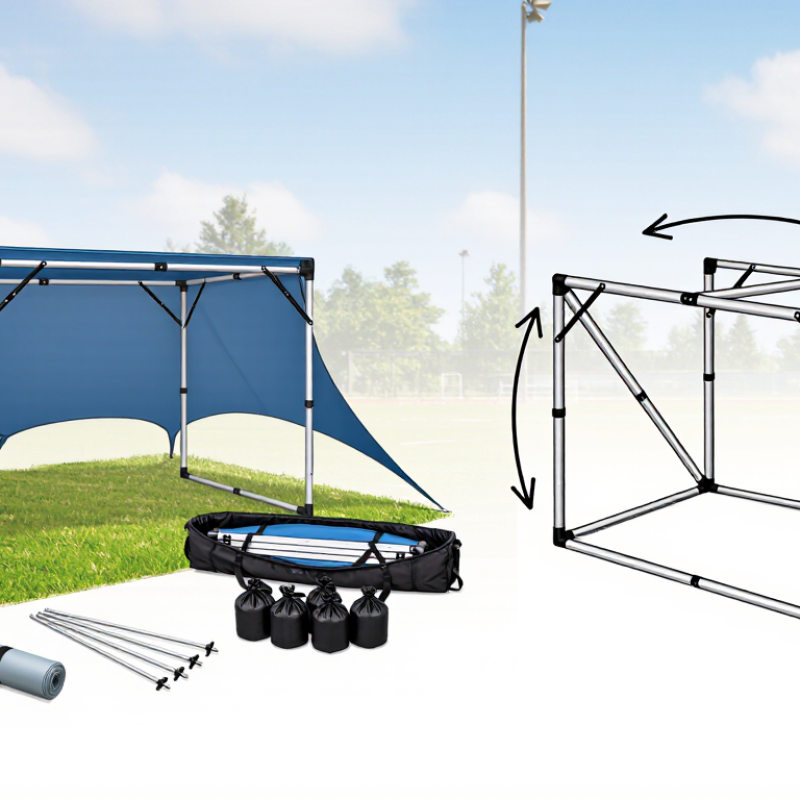
A Folding Gazebo is a portable, pop-up shelter built around a collapsible frame and a fabric canopy. Most models use linked metal legs that expand outward, then lock into position to support the roof. The frame folds inward for storage, while the canopy often stays attached. Some designs include removable sidewalls, ground stakes, or weight bags. That matters. A secure setup depends on firm placement and following the maker’s instructions, not simply opening the frame. When folded, many models fit into a carry bag, making transport easier for markets, gardens, sports days, or temporary outdoor work. Practical, not permanent.

This guide explains what a Folding Gazebo is, how its main parts work, and what to check before choosing one. It covers frame materials, canopy fabric, dimensions, setup, anchoring, and basic care. These details affect shade, portability, and expected service life. A lightweight model may be easier to carry, yet feel less steady in exposed conditions. A larger canopy can shelter more people, but it also needs more room and careful anchoring. There is no single best choice. Intended use, storage space, and local weather all matter. Even a quick setup can feel awkward the first time; practice helps, though the instructions still deserve attention. A gazebo is not automatically safe in strong wind or severe weather. We’ll keep that limitation clear.
What Is a Folding Gazebo?

Definition and Core Characteristics of a Folding Gazebo

A folding gazebo is a portable shelter with a collapsible frame and a canopy. Hinged or telescoping frame sections open outward and lock in place. The canopy provides shade and some rain protection, but it does not necessarily create a sealed or weatherproof space. The word “gazebo” can suggest a permanent garden structure, which makes the folding type easy to misread.

Portability and quick setup are core characteristics. Many designs have four legs, a central roof hub, and fabric stretched over the frame. Frames are commonly made from steel or aluminum, while canopies often use coated polyester or similar fabric. These choices affect weight, durability, and care. Check the joints and locks, too. They can be easy to overlook.

A stable setup matters. Spread the legs evenly on firm ground, then use suitable weights or compatible stakes where appropriate. Uneven surfaces and loose locks can cause wobbling. Wind resistance and rain performance vary by model, so check the stated limits rather than judging by appearance. “Folding” does not mean suitable for every condition. Take the shelter down when conditions exceed its guidance, and dry damp fabric before storage to help prevent mildew.

What Is a Folding Gazebo? Definition and Core Characteristics

A folding gazebo is a portable shelter with a frame designed to fold for transport and storage, usually supporting a fabric canopy. The chart marks commonly defining features; 1 means the feature is characteristic of the general design, not a performance score. Specific designs vary.

Main Components and Structural Design

What Is a Folding Gazebo?

Main Components and Structural Design

A folding gazebo usually combines a collapsible frame, a canopy, and connecting hardware. The frame is commonly made from steel or aluminum tubes joined by hinges and sliding hubs. These joints let the structure open and close without dismantling every section. Small parts matter. Check that locking pins engage fully and that the legs sit evenly before raising the canopy. The fabric attaches to the frame with pockets, straps, or clips, depending on the design. Reinforced corners and stitched seams can help manage repeated tension, though they still need inspection.

The frame’s geometry spreads the canopy’s weight across the legs. Cross-braces help limit sideways movement, while a central hub supports the roof shape. A wider stance can improve stability, but it also needs more room.

That is the trade-off.

Lightweight frames are easier to carry, yet may feel less settled in gusty conditions. Secure each leg with suitable stakes on soft ground or weighted bases on hard surfaces. Keep the fabric taut, not strained; overly tight panels can pull at seams and joints. No folding structure is maintenance-free. After use, dry the canopy and look for bent tubes, loose fasteners, or worn stitching.

How a Folding Gazebo Opens, Closes, and Stays Stable

A folding gazebo uses a collapsible frame, usually with linked metal supports and a fabric canopy. To open one, two people can stand on opposite sides and gently pull the frame outward. The crossed supports begin to spread. Keep fingers clear of the joints. When the frame is partly extended, place the canopy over the top if it is not already attached, then raise the center hub and secure the frame locks. The exact steps vary, so check the maker’s instructions before forcing a stuck joint. A stubborn frame may be misaligned, not simply tight.

Stability depends on more than a firm-looking frame. Extend each leg fully and lock it, then secure the feet with suitable stakes or weighted bags, following the instructions for that surface. On pavement, stakes may not work; use compatible weights instead. Check that the canopy is evenly tensioned and that no leg rocks. Small details matter. Wind can lift a lightweight shelter quickly, so take it down when conditions become gusty rather than relying on extra weight alone. That judgment can feel inconvenient, but it is easy to underestimate a sudden gust.

To close the gazebo, remove loose items and release the leg locks or center mechanism as directed. Lower the frame gradually, keeping hands away from pinch points, then walk the supports inward without twisting them. Let the canopy dry before storage when possible. I have seen damp fabric packed away too soon; it may smell musty later. A quick inspection for bent supports or loose fasteners also helps catch wear before the next setup.

Common Materials and Size Options

What Is a Folding Gazebo?
Common Materials and Size Options

A folding gazebo is a portable shelter with a collapsible frame and fabric roof. Frame material affects weight, stiffness, and upkeep. Aluminum is light and resists corrosion, so it is easier to carry from a car to a garden. Steel often costs less and feels sturdy, but its heavier tubes need dry storage to limit rust. Neither choice makes a canopy storm-proof.

Roof fabrics vary too. Polyester is common because it is relatively light and dries quickly. Some canopies have a coating that improves water resistance, but seams and stitching still matter. Check the fabric rating and care instructions, not just a “waterproof” label. Small details count.

Size names usually describe the roof, not the full shaded area beneath it. A 10-by-10-foot model can suit a small patio table, while a 10-by-20-foot shelter covers a longer row of seats. A 12-by-12-foot option offers more room, but needs more open ground. Measure the footprint, including legs and any guy lines. Size charts can feel optimistic: chairs, bags, and a breeze all claim space. Check packed dimensions and frame weight before buying, especially if one person will set it up. A compact case helps. Not weightless, though.

What Is a Folding Gazebo? — Common Materials and Size Options

Category Common Option Typical Details Practical Considerations
What it is Pop-up folding gazebo A portable shelter with a collapsible frame and a fabric canopy. The frame opens for use and folds down for transport and storage. Often used for gardens, markets, outdoor events, and temporary shade. It is not normally a permanent structure.
Canopy fabric Polyester A commonly used synthetic fabric. Canopies may have a water-resistant coating, such as polyurethane, and may include UV-resistant treatments. Water resistance and sun protection vary by fabric weight, coating, construction, and product specifications. Check the stated performance rather than assuming all polyester canopies are alike.
Canopy fabric Polyethylene (PE) A lightweight plastic-based canopy material used on some temporary shelters. Can be an economical option, but durability and weather performance depend on thickness, construction, and care.
Canopy fabric PVC-coated fabric A fabric with a polyvinyl chloride coating, often selected for a more substantial, water-resistant canopy. May be heavier and less compact than lighter canopy fabrics. Check the product’s ventilation, care, and fire-safety information where relevant.
Frame material Powder-coated steel A steel frame with a protective surface coating. Steel is commonly used in folding gazebo frames. Can be sturdy but relatively heavy. Keep the coating intact and dry the frame before storage to help reduce corrosion risk.
Frame material Aluminum A lightweight metal option used for portable frames. Typically easier to carry than a comparable steel frame, though strength and rigidity depend on the frame design and tubing.
Size option 8 × 8 ft (about 2.4 × 2.4 m) Compact square footprint; approximately 64 sq ft (5.9 m²). Useful where space is limited. Actual usable space may be reduced by the frame legs and any side panels.
Size option 10 × 10 ft (about 3 × 3 m) Common square footprint; 100 sq ft (about 9.3 m²). A versatile size for small gatherings, stalls, or outdoor seating. Confirm whether listed dimensions refer to the canopy or the distance between the legs.
Size option 10 × 15 ft (about 3 × 4.5 m) Rectangular footprint; 150 sq ft (about 13.9 m²). Offers a longer covered area than a 10 × 10 ft model and may require more space for setup and anchoring.
Size option 10 × 20 ft (about 3 × 6 m) Large rectangular footprint; 200 sq ft (about 18.6 m²). Can cover a larger event or display area, but needs a suitably level site and secure anchoring. Check access and transport dimensions before buying.
Height and setup Adjustable legs and folding frame Many models have multiple leg-height settings; the number of settings and overall clearance vary by design. Check both the interior headroom and the maximum external height. Follow the manufacturer’s setup instructions and do not leave the shelter unattended in strong wind.

Dimensions shown are common nominal footprint options, not a guarantee of usable covered area. Measurements, frame design, canopy materials, and weather ratings vary by model.

Typical Uses and Suitable Settings

A folding gazebo is a portable shelter with a collapsible frame and a fabric roof. It can be opened for temporary shade, then folded for storage or transport. Setup usually works best with two people, especially when the frame is wide. A little patience helps. Keep fingers clear of hinges, and check that the frame locks before adding equipment or seating.

These shelters suit outdoor markets, garden parties, sports sidelines, and family picnics. At a market, the roof can shade a table and protect displayed goods from light drizzle.

At a picnic, it gives guests a defined place to eat. For sports, it can offer shade between matches. Still, it does not replace a solid building or provide dependable protection in severe weather.

Choose a setting with level ground and enough room to secure the legs. Grass may accept ground stakes, while paved areas often need suitable weights. Check the forecast and follow the shelter’s setup instructions; gusts can strain the frame or lift the canopy. One detail is easy to overlook: shade moves as the sun changes. A table that starts comfortably covered may be exposed later. Fold the gazebo away when conditions become unsafe, rather than waiting for trouble.

Facebook Twitter Instagram Linkedin Youtube