
How to Choose the Best Kids Bed for Your Business in 2026

Choosing the right Kids Bed in 2026 is a business decision, not merely a furniture purchase. Hotels, childcare centers, holiday rentals, and retailers face different demands. A bed suited to a quiet nursery may fail in a busy accommodation setting. Daily use reveals weaknesses quickly. Loose fittings, sharp corners, poor ventilation, and difficult cleaning create avoidable problems. The best choice balances safety, comfort, durability, design, and total operating cost. Not just the purchase price.

This guide explores the practical details that influence a reliable buying decision. Consider the bed’s materials, weight capacity, assembly process, storage options, mattress support, and cleaning requirements. Suppliers should provide clear specifications and evidence of quality testing. Product samples can also reveal details that photographs hide, such as rough edges or unstable joints. Feedback from staff and customers adds valuable real-world evidence. Their comments may expose problems early.

No Kids Bed is perfect for every business. A premium model may last longer, but its cost could strain a growing budget. A cheaper option may appear efficient, then require frequent repairs. That trade-off deserves careful thought. Businesses should compare warranty terms, replacement parts, delivery reliability, and supplier communication. A dependable supplier answers specific questions without vague promises. Small details matter. A bed that remains stable after months of use protects both customer trust and daily operations. This approach supports a more informed, responsible, and commercially practical choice.
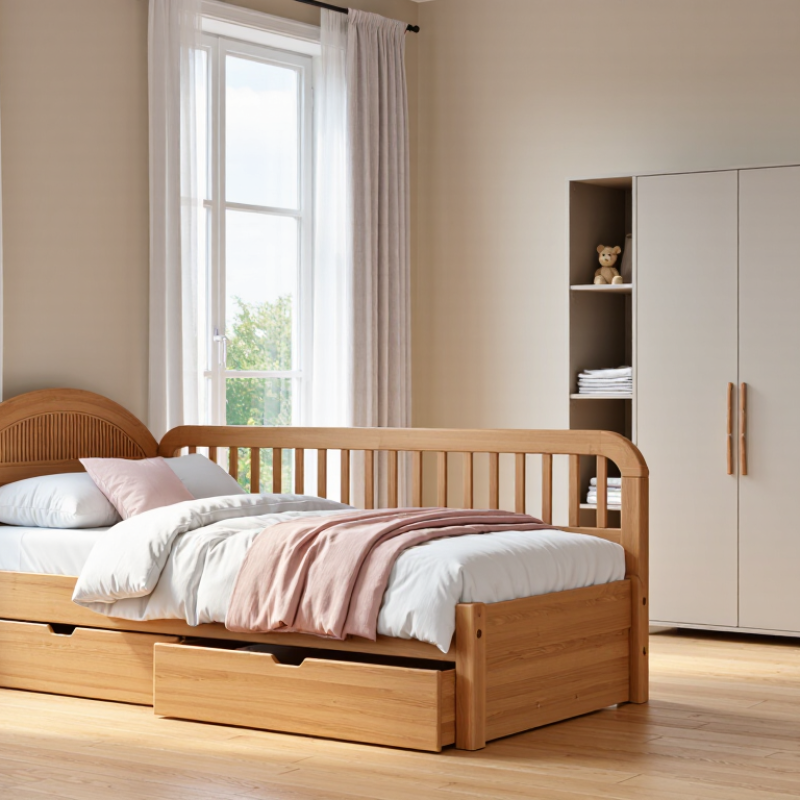
How to Choose the Best Kids Bed for Your Business in 2026

Defining Your Business Needs for Kids’ Beds

Choosing a kids’ bed for business starts with your operating model, not a catalog photo. A daycare needs low platforms, rounded edges, and quick cleaning between naps. A family hotel may need compact frames, guardrails, and storage for spare linens. Measure the room, doorway, elevator, and housekeeping route before requesting quotes. A bed that fits the room may not fit through the door. That mistake is expensive.

Record the children’s age range, expected occupancy, mattress size, and daily turnover. Ask how staff will inspect joints, slats, ladders, and fasteners. Favor clear assembly instructions and replaceable parts. Check weight ratings using documented test information, not verbal assurances. Surface finishes should tolerate mild cleaning products without becoming rough or slippery. Avoid designs with reachable gaps or sharp projections. Local safety requirements still need review by your responsible manager or consultant. Requirements vary by location.

We once selected a beautiful frame before testing linen changes. Staff needed extra minutes per bed, and the design slowed room turnover. The lesson was practical: let housekeeping trial a sample for one week. Track cleaning time, noise, wobbling, and mattress handling. Invite staff feedback. Children do not use beds gently. Budget for spare hardware and periodic inspections. A cheaper unit can cost more through repairs, downtime, and complaints. I would also question whether built-in features are necessary. Some look useful but create cleaning traps. Reliable purchasing means documenting decisions, not trusting appearance.

Comparing Bed Types, Sizes, and Safety Features

Choosing the best kids’ bed for your business starts with the children who will use it. A low platform bed suits younger children because it reduces climbing height and makes bedtime access easier. Bunk beds save floor space, but they need stronger supervision and clear age restrictions. Trundle beds offer flexibility for shared rooms, though their moving parts require regular checks. I have found that the cheapest frame is rarely the cheapest long-term choice.

Size should match both the child and the room. A twin-size bed works well for compact spaces, while a larger mattress may serve growing children longer. Measure doorways, storage areas, and walking paths before ordering. Leave enough clearance around the bed. It matters during cleaning and emergencies. Do not rely only on catalogue dimensions. Supplier measurements can overlook rails, ladders, or protruding handles.

Safety details deserve practical inspection. Look for rounded edges, secure guardrails, stable ladders, and gaps too narrow for trapped fingers. Slatted bases should support the mattress evenly without sharp movement or loose joints. Check weight limits and assembly instructions, then record inspections for staff. Standards differ by market, so verify current requirements locally. I would not assume a bed is safe because it looks sturdy. Children test weaknesses adults miss. A loose bolt may appear minor today, but repeated movement can make it serious.Winvalid

How to Choose the Best Kids Bed for Your Business in 2026

Comparing bed types, sizes, and safety considerations for different customer needs.

Toddler Bed

Uses a 28 × 52 inch crib-size mattress and is suitable for compact rooms and younger children transitioning from a crib.

Twin Bed

Uses a 38 × 75 inch mattress, offering a practical balance of sleeping space, room efficiency, and broad bedding availability.

Bunk or Loft Bed

Usually uses a twin-size mattress. Prioritize guardrails, stable construction, ladder safety, and age-appropriate use requirements.

Dimensions shown are common U.S. mattress standards. Always verify local regulations and manufacturer safety instructions before purchasing or selling children's beds.

Evaluating Materials, Durability, and Maintenance

How to Choose the Best Kids Bed for Your Business in 2026

When selecting kids’ beds for a business, material choice affects safety, lifespan, and daily labor. Solid wood offers warmth and strong structural support. Engineered panels can reduce costs but require sealed edges and moisture protection. Metal frames resist scratches, yet exposed joints may create cleaning problems. Ask for material specifications and verified emissions testing. Check every corner by hand. A smooth finish matters during busy room turnovers. I once focused too heavily on appearance. That was a costly oversight.

Durability should be assessed through construction details, not showroom confidence. Examine slat spacing, joint strength, guardrails, support feet, and fastener quality. Request load testing records when available. Simulate repeated use, including climbing, turning, and mattress movement. Do not trust a strong first impression. Look underneath the frame. Weak center support often appears there first. Choose replaceable components where possible. A broken slat should not require replacing the entire bed.

Maintenance affects profit more than many buyers expect. Select sealed surfaces that tolerate frequent wiping with approved cleaning products. Avoid deep grooves, loose fabric, and decorative gaps that collect dust. Create a simple inspection checklist for screws, rails, edges, and mattress supports. Train staff to record damage immediately. Small repairs become expensive when ignored. I would also test one sample bed for several weeks before placing a larger order. Real use reveals noise, wobbling, and cleaning issues that product photos cannot show.

How to Choose the Best Kids Bed for Your Business in 2026: Evaluating Materials, Durability, and Maintenance

Bed Material / Construction Typical Weight Capacity Expected Commercial Service Life Durability Rating Moisture and Stain Resistance Routine Maintenance Repair Considerations Estimated Total Cost Level Best Business Use
Solid hardwood frame 120–250 kg 10–20 years ★★★★★ Good when sealed; standing water can damage joints and finishes. Dust weekly; clean with a damp cloth; inspect fasteners every 3–6 months. Individual rails, slats, and hardware are usually replaceable. Medium–High Hotels, guest houses, and long-term rental properties
Steel or metal frame with powder coating 100–200 kg 10–15 years ★★★★★ Very good; chipped coating should be repaired to reduce corrosion risk. Wipe regularly; check welds, bolts, and protective caps for wear. Bolts, slats, feet, and guard components are commonly serviceable. Medium High-turnover accommodation and institutional settings
Engineered wood with laminate finish 90–180 kg 7–12 years ★★★★☆ Good on sealed surfaces; exposed edges may swell if repeatedly wet. Use mild detergent; dry spills promptly; avoid abrasive cleaners. Panels and fittings can be replaced, but swollen edges are difficult to restore. Medium Budget-conscious hotels, serviced apartments, and retail displays
Solid pine or other softwood 90–160 kg 6–10 years ★★★☆☆ Moderate; dents and scratches are more likely without a durable finish. Dust weekly; tighten hardware; touch up scratches and worn coating. Easy to sand and refinish; softwood slats may need earlier replacement. Low–Medium Short-stay rentals and properties requiring a natural appearance
MDF or particleboard construction 70–140 kg 4–8 years ★★★☆☆ Limited; moisture can weaken cores and cause swelling at damaged edges. Keep dry; inspect joints more often; avoid over-tightening screws. Hardware is replaceable, but damaged core material may require panel replacement. Low Low-cost, low-frequency use where replacement budgets are limited
Plastic or molded polymer frame 60–120 kg 5–10 years ★★★☆☆ Very good; some plastics may discolor or become brittle under prolonged sunlight. Clean with mild soap; avoid solvents and high-temperature steam cleaning. Cracked structural parts generally require complete component replacement. Low–Medium Childcare facilities, temporary accommodation, and easy-clean rooms
Upholstered frame with foam padding 80–160 kg 5–10 years ★★★☆☆ Depends on fabric and treatment; seams can retain moisture and stains. Vacuum weekly; spot-clean promptly; use removable, washable covers where possible. Fabric and foam may be replaceable, but reupholstery increases labor costs. Medium–High Premium rooms where comfort and visual design are priorities
Solid wood frame with replaceable slatted base 120–250 kg 10–20 years ★★★★★ Good when sealed; slats should be kept dry and checked for splitting. Inspect slats and center supports quarterly; tighten fittings as needed. Replaceable slats extend service life and reduce whole-bed replacement costs. Medium–High Businesses seeking long-term durability and straightforward servicing
Planning benchmarks for commercial purchasing in 2026. Actual service life and load capacity depend on construction quality, assembly, cleaning chemicals, humidity, usage frequency, and compliance with applicable safety standards.

Balancing Wholesale Costs, Quality, and Profit Margins

Choosing the best kids bed starts with understanding the real wholesale cost. A low invoice price can be misleading. Freight, storage, assembly time, damaged cartons, and returns can reduce the actual margin. Measure every expense per sellable unit. Experienced buyers compare landed cost with the expected selling price, not the supplier quote alone. Request material specifications, load-test records, finish details, packaging standards, and replacement-part policies. Clear documentation supports better decisions.

Quality directly affects profit. A bed with sturdy slats, rounded edges, stable joints, and durable finishes creates fewer complaints. Check the frame for movement after assembly. Inspect the carton corners, hardware bags, and instruction sheets. Small missing parts can create expensive service work. Verify safety requirements for your target market through reliable testing or inspection services. Do not trust product photos alone. Physical samples reveal weak fasteners and rough surfaces quickly.

Margins also depend on pricing discipline. Calculate the target gross margin before placing a large order. Include promotional discounts and seasonal storage costs. My first forecast underestimated returns from oversized packaging. That mistake reduced profit more than expected. A smaller carton might lower freight costs, but only if protection remains effective. Test several units before committing. Track assembly time, customer questions, and damage rates. These details often expose the difference between an attractive wholesale deal and a genuinely profitable product.

Selecting Suppliers and Planning Your 2026 Purchase Strategy

How to Choose the Best Kids Bed for Your Business in 2026

Selecting Suppliers and Planning Your 2026 Purchase Strategy

The children’s furniture market is becoming more competitive and specification-driven. Allied Market Research valued it at approximately $31.5 billion in 2022, with a projected 5.4% CAGR through 2032. That growth creates opportunity, but poor supplier choices can quickly damage margins. Start with suppliers that provide traceable materials, independent safety testing, clear warranties, and documented quality controls. Ask for a production sample before discussing large-volume orders. Inspect the guardrail height, ladder joints, surface finish, mattress support, and packaging strength yourself. A spreadsheet cannot replace physical experience.

Plan 2026 purchases around demand ranges, not one optimistic forecast. Use last year’s sales, seasonal peaks, storage costs, and realistic lead times. The International Data Corporation reported continuing supply-chain uncertainty across global industries in its 2024 logistics research, making flexible replenishment valuable. Negotiate smaller trial quantities, staggered deliveries, and written defect-resolution procedures. Confirm minimum order quantities before approving the design. They can quietly consume cash.

Grand View Research identifies customization and space-saving furniture as important growth trends. Therefore, compare modular designs, convertible functions, and compact packaging during supplier reviews. Calculate landed cost, including freight, duties, inspections, returns, and replacement parts. I would reserve part of the budget for a second supplier, even when the first quotation looks excellent. That decision may feel inefficient. It can prevent a stockout during a crucial sales month. Supplier scorecards should be reviewed monthly, using delivery accuracy, defect rates, response time, and customer complaints.

Article Source:

Facebook Twitter Instagram Linkedin Youtube