
Choosing Spunlace Non Woven Fabric in 2026 means matching measurable performance to the product’s real job. A wipe that feels soft in the hand may still shed lint, tear during dispensing, or absorb too slowly. Small differences matter.
Grand View Research’s Spunlace Nonwoven Market report valued the global market at approximately US$8.03 billion in 2023 and forecast 7.1% annual growth from 2024 to 2030. That forecast signals opportunity, not a guarantee of quality. Buyers still need to check basis-weight consistency, fiber blend, tensile strength, absorbency, lint levels, and compatibility with lotions or cleaning agents. Ask for test results from the production lot, not just a sample sheet.
For a useful selection principle, nonwovens scholar Dr. S. K. Mukhopadhyay’s published work points toward designing fabric structure and bonding around end-use performance. Put plainly, as a paraphrase rather than a verbatim quotation: “Choose the web for the job, not the name on the specification.” It is a simple rule. Yet teams sometimes overlook it when comparing prices.
This guide examines how hydroentanglement, fiber choice, weight, and converting requirements affect performance and cost. It also highlights what to ask suppliers before approving a trial. There is no universal best grade. A fabric that works well on a high-speed wipes line may be unsuitable for a delicate personal-care application. Check the data, handle the material, and leave room to revise your specification.
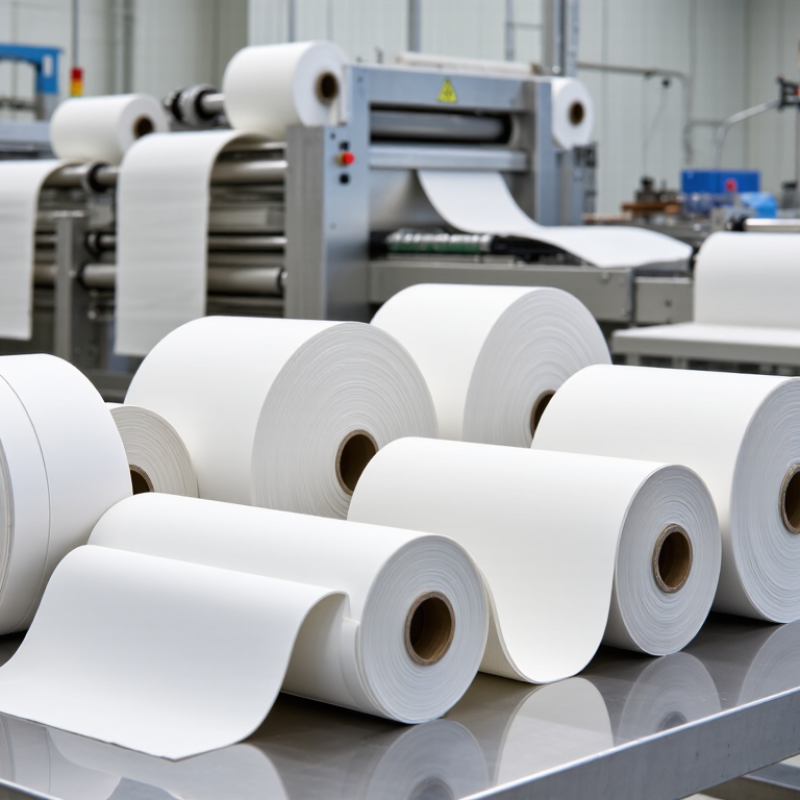
Start with the job the fabric must do, not a preferred weight or fiber blend. A cleaning wipe needs to pick up liquid and resist tearing when wet. A cosmetic pad may need a soft surface and low lint. For a protective cover, drape and barrier performance may matter more than absorbency. Be specific. Name the surface, the liquid, and how the fabric will be handled.
Then translate those conditions into measurable functions. Consider basis weight, thickness, tensile strength, absorbency, linting, and surface texture. Spunlace fabrics can use different fiber mixes and entanglement patterns, so similar-looking samples may behave differently. Check performance in both dry and wet conditions if the product will get wet. A quick hand-feel test helps, but it cannot replace testing with the actual liquid and use cycle.
Set priorities before requesting samples. It is tempting to demand maximum softness, strength, and absorbency at once, but those goals can conflict with cost and fabric weight. Ask suppliers for test methods and results, then compare samples under the same conditions. A small trial on the intended surface can reveal snagging, residue, or poor pickup. One detail is easy to miss: dispensing format can change how a wipe feels and performs. Revisit the specification after testing; the first version may not be right.
Start with the job the fabric must do: wipe, absorb, drape, or resist abrasion. Viscose generally supports quick liquid uptake and a soft hand, while polyester can improve wet strength and durability. Cotton may add softness, but its performance varies with grade and preparation. Wood pulp can increase absorbency in suitable blends, though it may reduce toughness when wet. Small differences matter.
Check fiber proportions, not just fiber names. A 70/30 viscose-polyester web will not behave like a 50/50 blend at every basis weight or bonding setting. Ask for basis weight, fiber-length range, and web-uniformity data. Hydroentanglement pressure and pass count also affect softness, pore structure, and strength. Composition alone cannot predict performance. Run trials.
Match the blend to measurable conditions: liquid pickup, lint, tensile strength, and repeated handling. For a facial wipe, a soft surface and low lint may matter more than maximum tear strength. For a workshop cloth, wet durability may take priority. Compare samples after wetting, not only straight from the roll. One overlooked issue: a highly absorbent fabric can feel heavy and dry slowly. That trade-off deserves a real test.
| Design starting point | Example fiber composition (by mass) | Fiber contribution | Potential advantages | Selection considerations | Useful checks during trials |
|---|---|---|---|---|---|
| Absorbent general-purpose wipes | 70% viscose / 30% polyester | Viscose supports liquid uptake; polyester contributes strength and web integrity. | Balances absorbency, softness, and wet handling strength. | More viscose can increase absorbency but may affect wet strength and linting; confirm performance with the intended liquid. | Absorption capacity, wet tensile strength, lint, and wipe durability. |
| Strong, durable wipes | 50% viscose / 50% polyester | The blend combines a hydrophilic cellulosic fiber with a resilient synthetic fiber. | A practical option when both liquid handling and wet durability matter. | Absorbency and strength depend on fiber properties, web formation, basis weight, and hydroentanglement settings—not blend ratio alone. | Wet and dry tensile, elongation, absorbency rate, and surface lint. |
| Cellulosic, soft-touch wipes | 100% viscose | Regenerated cellulose fibers are hydrophilic and commonly selected for absorbent nonwovens. | Can provide a soft hand and good liquid uptake. | Wet strength, lint, and dimensional stability should be assessed for the intended use; “cellulosic” does not by itself establish biodegradability or flushability. | Wet integrity, linting, liquid retention, and disposal requirements. |
| Cotton-rich personal-care or cleaning material | 100% cotton, or 50% cotton / 50% polyester | Cotton is a natural cellulosic fiber; polyester can add strength and improve processing consistency. | Cotton-rich constructions may suit products seeking a cotton-based fiber profile. | Cotton staple properties and preparation can vary; verify fiber cleanliness, web uniformity, and the required wet performance. | Web evenness, fiber shedding, absorbency, wet strength, and input-fiber specifications. |
| Low-lint, strength-focused material | 100% polyester | Polyester is a synthetic fiber that can provide strength and dimensional stability. | Useful where durability and low lint are priorities, subject to construction and testing. | Polyester is less hydrophilic than viscose or cotton; surface treatment or a different blend may be needed for aqueous liquid uptake. | Absorbency rate, extractables where relevant, lint, tensile strength, and chemical compatibility. |
| Soft cellulosic blend with added durability | 70% lyocell / 30% polyester | Lyocell is a regenerated cellulose fiber; polyester can contribute web strength. | A blend option for products seeking cellulosic absorbency with improved handling durability. | Fiber grade, finish, and process conditions affect softness, absorbency, and strength. Confirm any environmental claims for the complete product and its disposal route. | Hand feel, liquid uptake, wet strength, lint, and applicable product claims. |
| Basis-weight selection | Set according to required coverage, drape, absorbency, and strength; specify in g/m². | Basis weight is the mass of fabric per unit area and is independent of fiber blend percentage. | A clear measurable target helps compare trial webs and production lots. | Higher basis weight alone does not guarantee better absorbency, softness, or strength; bonding and web structure also matter. | Average basis weight, cross-web variation, thickness, drape, and end-use performance. |
| Fiber length and fineness | Choose grades compatible with the carding line and target web uniformity; confirm length and linear density with the fiber supplier. | Fiber dimensions influence carding, web formation, entanglement, and fabric handle. | Matching fiber grade to equipment can support a more uniform, processable web. | There is no single fiber-length or fineness value suitable for every spunlace line or application; avoid selecting by a generic number alone. | Supplier specifications, carding stability, web defects, entanglement quality, and fabric consistency. |
Note: Blend percentages are illustrative starting points by mass, not universal specifications. Final composition and basis weight should be selected through process trials and testing against the product’s performance, safety, regulatory, and disposal requirements.
How to Choose Spunlace Non Woven Fabric in 2026
Start with the job the fabric must do. A wipe needs enough strength when wet, while a facial sheet should drape softly without feeling bulky. Fabric weight, measured in grams per square metre (gsm), helps compare material use, but it does not predict performance alone. EDANA’s 2023 European nonwovens statistics reported production of roughly 2.8 million tonnes, about 5.5% below 2022. That scale and decline make careful specification more useful than choosing by market fashion.
Check thickness alongside weight. Two fabrics with the same gsm can feel very different because fiber type, bonding, and pore structure affect density and compression. Ask suppliers how thickness was measured, and compare samples under the same conditions; ISO 9073-1 covers mass per unit area, while ISO 9073-2 covers thickness. Small differences matter. A thick, lofty sheet may absorb well, yet take more storage space and feel awkward in a slim sachet.
Texture is not just appearance. Rub the sample between damp fingers, then inspect its surface and edges for loose fibers. Spunlace webs use water jets to entangle fibers, creating structures that can be smooth, embossed, or more open. Match that structure to the task: a textured face can improve wiping, while a softer, even surface may suit skin contact. I would still test the finished product, not just the roll sample. It is easy to overlook converting, lotion, or folding effects. That part is often missed.
Compare basis-weight planning ranges for common applications. These are indicative ranges, not product specifications; actual thickness, texture, and performance vary with fiber blend and manufacturing.
How to use this guide: Higher basis weight often gives a more substantial feel, but does not determine thickness by itself. Check the specified thickness and test the fabric’s texture, absorbency, strength, and drape for your intended use. Hydroentanglement pattern and fiber selection influence structure and surface feel, so confirm details with a product data sheet and sample.
Start with the fabric’s real job, not just its listed weight. A cleaning wipe may need fast liquid pickup, while a protective cover may need better tear resistance. Check tensile strength in both dry and wet conditions. Wet use can change performance significantly. Ask how results were measured, since test methods and sample conditioning affect comparisons.
Absorbency is more than total capacity. Consider how quickly the material takes up liquid and whether it releases moisture under pressure. For a wipe, test it with the actual fluid and on the intended surface. For durability, rub, fold, and pull samples as they will be used. Small differences matter.
Fiber blend, web structure, and finishing treatments can all influence softness, linting, and strength. Look at basis weight and thickness alongside performance; heavier fabric is not automatically stronger or more absorbent. Request technical data, then verify key claims with samples from the intended production lot.
Keep the test conditions consistent. One limitation is easy to miss: a clean laboratory test may not reflect repeated handling or storage. If specifications seem unusually broad, ask for the test method and results, not just a general claim.
When choosing spunlace nonwoven fabric in 2026, treat safety evidence as a product requirement, not a sales attachment. Ask for current test reports and certificates that identify the material, test method, and intended use. Check whether the results cover the exact fabric grade you plan to buy. Standards vary by application and destination market, so a generic certificate may not answer your specific question. Details matter.
Sustainability claims need evidence too. Ask what share of the fiber is recycled or responsibly sourced, and how that figure is calculated. Request information on water use, energy, and wastewater management when available. Compare like with like: a recycled-content claim alone does not describe a fabric’s full environmental impact. Some supplier data may be incomplete. Note what is missing rather than treating an estimate as a verified result.
Supplier quality shows up in repeat orders. Review batch records and traceability, then compare samples for basis weight, tensile strength, absorbency, lint, and dimensional stability. Run a small production trial before committing to large volumes. Keep records. A polished document set can still hide variation between lots; specifications should state acceptable tolerances and how defects are handled. Recheck them periodically, because a good first sample is not a guarantee of consistent supply.