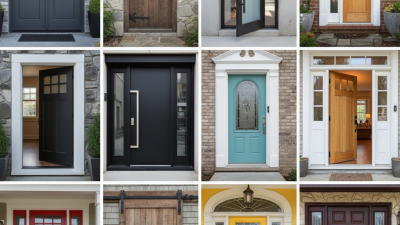
Why Choose Modern Iron Doors for Global Projects?
Global projects demand entrances that balance security, durability, climate performance, and architectural identity. Modern iron doors can support that balance when their specifications match the building’s location and use. A coastal resort, for example, needs stronger corrosion protection than an inland office. A cold-climate residence may require insulated frames, low-emissivity glazing, and reliable weather seals.
The energy question is significant. The International Energy Agency reports that buildings consume about 30% of global final energy and produce roughly 26% of energy-related emissions. Door performance alone cannot solve this challenge, but it can influence air leakage, daylight access, and heating or cooling loads. The U.S. Department of Energy also emphasizes that properly sealed openings help reduce unwanted heat transfer and improve comfort. These findings give architects a practical reason to evaluate modern iron doors beyond appearance.
Durability matters too. The World Green Building Council identifies embodied carbon as a major concern across the construction sector, making longer service life increasingly relevant. A carefully fabricated iron door, protected against moisture and fitted with replaceable hardware, may reduce frequent replacement. But iron is not automatically sustainable. That caveat matters. Poor coating systems, weak drainage, or incorrect installation can create rust, sticking panels, and expensive maintenance.
For global projects, responsible selection should include tested thermal values, coating standards, hardware availability, local climate data, and documented installation experience. Manufacturers should provide clear technical records, not attractive promises alone. The strongest choice is rarely the most decorative door. It is the door that performs reliably after years of rain, dust, temperature changes, and daily use.
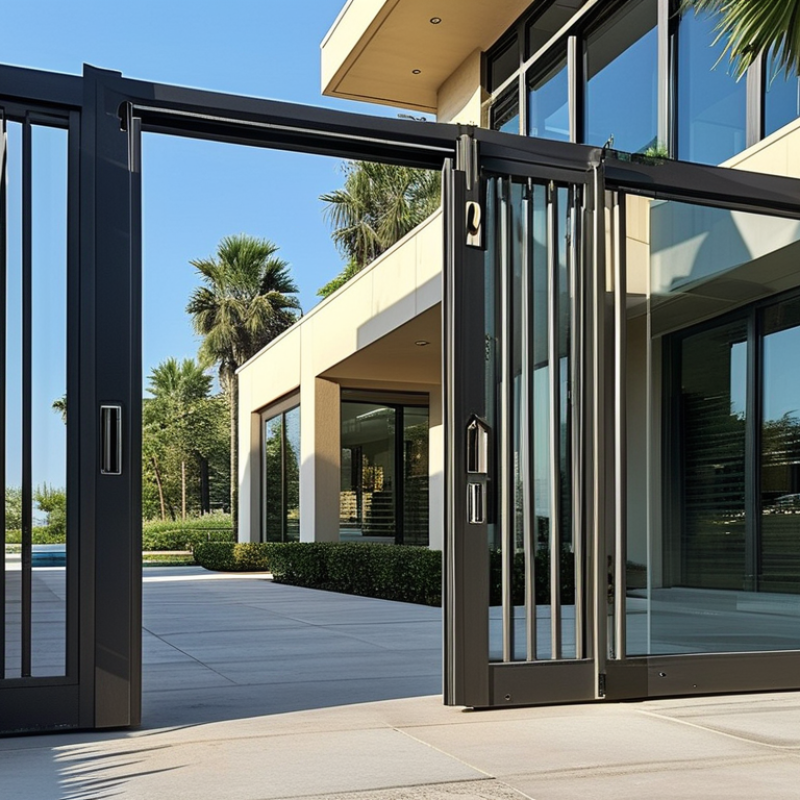
What Modern Iron Doors Are and How They Differ from Traditional Doors
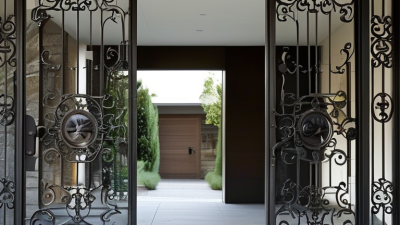
Modern iron doors are engineered entry systems, not simply heavy metal panels. They usually combine steel or iron frames, insulated cores, weather seals, and reinforced glass. Many also use thermal breaks to reduce heat transfer around the frame.
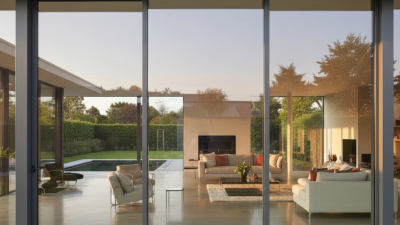
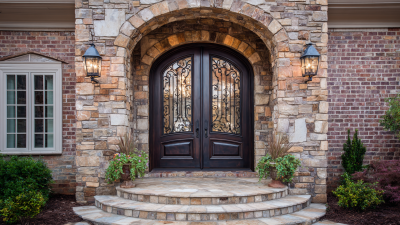
The difference is clear in daily use. Traditional doors often emphasize solid wood, hand-forged decoration, or thick wrought-iron patterns. They can feel substantial, but their insulation and sealing may vary. Modern designs favor clean lines, larger glass areas, concealed hinges, and controlled finishes such as durable powder coating. The result is a lighter visual profile with stronger performance requirements.
Details matter on global projects. In coastal areas, the coating and drainage design must resist salty air. In colder regions, low-emissivity glass and tight seals can limit drafts. Door swing, threshold height, emergency access, and local wind loads also require professional review. A door that performs well in one climate may fail elsewhere.
The label is not perfectly consistent.
Some “modern iron” doors use mostly steel, while others include aluminum components or composite insulation. This is not necessarily a weakness, but specifications should be checked carefully. Ask about metal thickness, surface preparation, glass rating, hardware testing, and maintenance access. A beautiful door can still become inconvenient if its finish is difficult to repair or its threshold collects water.
Key Benefits of Modern Iron Doors for International Construction Projects
Why Choose Modern Iron Doors for Global Projects?
Modern iron doors offer a strong combination of security, durability, and architectural character for international construction projects. Their solid frames suit entrances in offices, hotels, residences, and public buildings. In practice, engineers often select them for large openings that require stable operation. Clear specifications matter. Door weight, hinge capacity, glazing type, and threshold height should be reviewed before production.
Climate also influences performance. Coastal projects may need enhanced corrosion protection because salt air attacks exposed metal surfaces. In colder regions, thermal breaks and insulated glass can reduce heat transfer around the entrance. Hot climates require finishes that resist intense sunlight and repeated temperature changes. Local installation teams should confirm drainage, wall tolerances, and anchoring methods. Small errors can create alignment problems after shipment.
Modern designs can include narrow sightlines, concealed closers, textured finishes, and custom glass panels. These details support a refined appearance without sacrificing practical use. However, iron doors are not maintenance-free. Periodic inspections should check hinges, seals, locks, and surface damage. Maintenance schedules may also differ between humid ports and dry inland sites. That difference is easy to overlook. From project experience, the most reliable results come from early coordination between architects, fabricators, structural engineers, and installers. Door samples, shop drawings, and performance data should be reviewed before final approval. A beautiful entrance still needs accurate measurements and realistic maintenance planning.
Design, Materials, and Customization Options for Global Applications
Why Choose Modern Iron Doors for Global Projects?
Modern iron doors serve global projects best when design follows climate, use, and maintenance needs. Design starts with climate, not decoration. Deep frames can create strong shadows while supporting thicker insulation layers. Narrow sightlines provide a lighter appearance without sacrificing structural presence. However, oversized doors can become difficult to operate. That detail is often underestimated.
Material selection demands evidence. World Steel Association’s World Steel in Figures 2024 records about 1.88 billion tonnes of crude steel production in 2023. This scale supports stable sourcing, but it does not guarantee low embodied carbon. The 2023 UNEP Global Status Report states that buildings and construction produced 37% of global energy-related and process emissions in 2022. Ask for product-specific environmental data, recycled-content evidence, and coating information. Thermally improved steel systems suit cold regions, while galvanized or stainless components can better resist coastal exposure. Powder coatings offer many colors, yet surface preparation remains critical.
Customization should be measurable.
Specify opening direction, frame depth, threshold drainage, glazing type, hardware position, and local wind or water requirements. Regional installation teams also need clear tolerances and repair procedures. Small details matter. A coastal project may need concealed drainage and corrosion-resistant fasteners. A hot climate may require shaded glazing and reduced solar gain.
One uncomfortable lesson remains: a beautiful door can fail when its maintenance plan is vague. Global specifications should include finish samples, mock-up testing, spare components, and inspection records. Personally, I would reject customization that cannot be documented.
How to Select, Install, and Maintain Modern Iron Doors Worldwide
Modern iron doors suit global projects because they combine strength, security, and architectural character. Selection requires more than visual appeal. Begin by measuring the opening, wall thickness, threshold, and expected door weight. Coastal sites need strong corrosion protection. Humid regions may require sealed joints and improved drainage. Cold climates benefit from insulated cores and weather-resistant seals. Ask for material details, coating specifications, hardware ratings, and maintenance guidance. A local building professional should verify wind loads, fire exits, accessibility, and other applicable requirements. I would not trust one universal specification. Conditions vary widely.
Installation starts with a level, square frame. Use suitable anchors for concrete, brick, or steel structures. Uneven masonry can place stress on the hinges and lock. Experienced installers should seal the frame perimeter carefully, especially around the threshold. The sill needs a slight outward slope. Test the swing, latch, clearance, and weather seals before final handover. It sounds simple. It is not always.
Create a maintenance record for every project. Inspect doors every three to six months, or more often near saltwater. Remove dust with mild soap and a soft cloth. Avoid abrasive cleaners. Check hinges, locks, drainage holes, coatings, and visible rust. Touch up damaged areas with compatible materials. Remote projects create a practical problem: regular service may be difficult. Choose replaceable seals and commonly available hardware when possible. Record dimensions, finishes, and spare parts for future technicians. Even careful plans need review after the first harsh season.