Choosing an entry door in 2026 means balancing security, weather protection, upkeep, and appearance. Steel, fiberglass, and wood each solve different problems. A steel door can offer a sturdy, often budget-conscious option. Fiberglass resists moisture and can imitate wood grain. Wood brings warmth, but its finish may need regular attention. Feel the difference at the threshold: a solid frame and tight weatherstripping matter as much as the door slab.
Industry data offers one useful, limited clue. Remodeling’s 2024 Cost vs. Value report estimated that a steel entry-door replacement recouped about 188% of its project cost nationally. That figure reflects a modeled resale comparison, not a promise of profit for every home. Labor rates, local demand, door size, and installation quality can change the result. A tidy ranking can mislead.
Energy performance deserves equal scrutiny. ENERGY STAR’s guidance for residential doors emphasizes checking climate-appropriate efficiency criteria, rather than choosing by appearance alone. Look for published performance ratings, inspect the frame, and ask how the installer will seal gaps around the jamb. Small drafts are easy to miss in a showroom. Not at home. If you are researching “doors front doors,” this guide compares the main types and explains where each tends to fit. The best choice may not be the most expensive—or the one with the prettiest brochure. It should suit your climate, budget, maintenance tolerance, and the way your household uses the entrance.
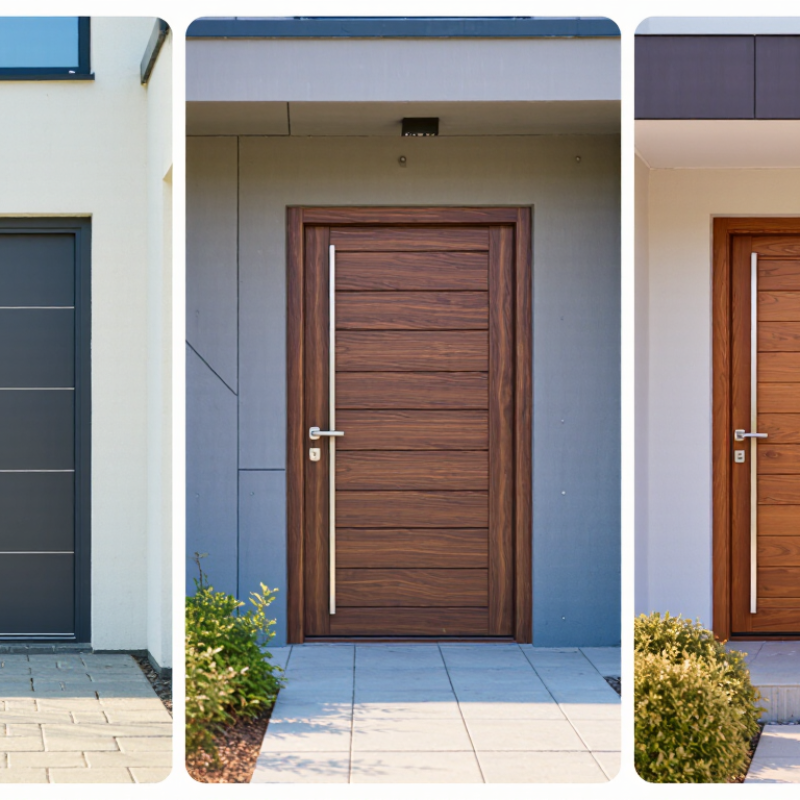
In 2026, front doors are most useful to classify by material, opening style, and glass or insulation—not by appearance alone. Material groups include steel, fiberglass, and wood. Steel is often chosen for strength and lower maintenance; fiberglass can imitate wood grain without needing the same upkeep. Wood offers a natural finish, but exposure and maintenance matter. Opening styles include single, double, and doors with sidelights. Glass ranges from no glazing to decorative or insulated panels. These categories help compare doors fairly.
Performance deserves its own check. Look for a complete door system, including frame, weatherstripping, and threshold; a well-insulated slab can still leak around its edges. ENERGY STAR guidance recommends checking product certification and climate suitability, while the NFRC label can show rated performance for applicable glazed products. Remodeling’s 2024 Cost vs. Value report estimated a 188.1% cost recouped for steel entry-door replacement. That is a resale estimate, not a promise of savings or a universal buying rule. A caveat: the report tracks a specific project scope, not every door style or installation.
Tips: Measure the rough opening, note the direction the door swings, and inspect the sill for drafts after installation. Compare complete assemblies, not just door slabs. Details matter. A little uncertainty remains: local climate and workmanship can change real-world performance.
Front-door materials shape insulation, durability, and upkeep, but the frame and installation matter too. The U.S. Energy Information Administration’s 2015 Residential Energy Consumption Survey found that space heating accounted for about 42% of household energy use. That figure does not isolate doors, but it shows why drafts around a threshold deserve attention. Small gaps matter.
Steel doors often pair a steel skin with an insulated foam core, offering a practical balance of strength and thermal performance. The edges and frame still need careful attention: metal can transfer heat, and a poorly sealed jamb can undermine an insulated slab. Fiberglass resists moisture and is less prone to swelling than wood, making it useful in exposed entryways. Wood offers a substantial feel and can be repaired, but its finish may need regular care in harsh weather. Compare the complete door’s National Fenestration Rating Council (NFRC) U-factor; lower values indicate less heat transfer. A high-performing rating cannot fix careless installation. I’ve seen homeowners focus on the slab and overlook the worn weatherstripping—that choice can leave a chilly line of air at ankle height.
| Door material | Thermal performance | Weather resistance | Maintenance | Security considerations | Relative upfront cost | Best suited to |
|---|---|---|---|---|---|---|
| Fiberglass | Generally good when the door has an insulated core; actual performance depends on its construction and glazing. | Resists moisture and does not rust; quality finishes help protect it from prolonged sun exposure. | Low; occasional cleaning and inspection of seals are usually sufficient. | A solid option, but the frame, hinges, lock, and glass also determine overall security. | Medium to high | Homeowners seeking a balance of insulation, durability, and limited upkeep. |
| Insulated steel | Often good with a well-insulated core; conductive steel edges can reduce performance compared with the insulated center. | Durable in many conditions, but scratches or damaged coatings can expose steel to rust; fit and weather seals matter. | Low to moderate; check the finish and repair chips promptly to help prevent corrosion. | The steel skin alone does not guarantee a secure door; reinforce the frame and use suitable hardware. | Low to medium | Budget-conscious projects and locations where a practical, insulated door is a priority. |
| Solid wood | Varies by species, thickness, and construction; wood can insulate well, but gaps and seasonal movement affect real-world comfort. | Can swell, shrink, or warp with changes in moisture and temperature if not properly finished and protected. | Moderate to high; finish may need periodic inspection and renewal, especially on exposed surfaces. | Strength depends on door construction and installation; pair with a strong frame, secure hinges, and appropriate locks. | Medium to high | Traditional or custom designs where natural appearance and repairability are important. |
| Aluminum | Unbroken metal conducts heat readily; thermally improved frames and insulated panels can help reduce heat transfer. | Does not rust like steel, though finishes and hardware still need care; suitability depends on exposure and product design. | Low; clean surfaces and check seals and moving parts periodically. | Security varies with panel, frame, glazing, and hardware construction rather than metal alone. | Medium to high | Contemporary designs, especially when paired with a thermally improved frame and suitable insulation. |
| Composite | Can provide good insulation when made with an insulated core; performance varies widely among products. | Often designed to resist moisture and dimensional changes, but durability depends on the materials and finish used. | Usually low; follow the product’s care instructions and inspect seals over time. | Construction and installation determine security; verify the complete door assembly and hardware. | Medium to high | Buyers looking for a low-maintenance door with a particular appearance or combination of material properties. |
Note: Performance and cost vary by product, size, glazing, frame, finish, climate, and installation. A well-fitted door with continuous weatherstripping and a properly installed frame can matter as much as the door material.
In 2026, a front door’s security and energy performance depend on its construction and installation. Steel resists impact, while solid wood offers weight and repairability but needs protection from moisture. Fiberglass can reduce heat transfer and handle changing weather, though quality varies by core and frame. No material is automatically safest. Details matter.
Tips: Check the whole assembly, not just the door slab. Look for a reinforced frame, a properly fitted deadbolt, and secure hinges. For efficiency, inspect weatherstripping, the threshold, and any glazing. A narrow daylight gap can signal a draft. Ask for tested performance data suited to your climate, and confirm the installer seals the perimeter.
Glazed designs bring daylight into an entry, but large panes may create vulnerable areas and increase heat loss. Consider laminated or multi-pane glazing where appropriate, while keeping the lock area solid. A tight seal can matter more than an impressive insulation claim; even a well-built door may underperform when its sill is uneven. I’d compare upkeep, repair options, and installation quality before choosing a finish. Looks matter. A swollen door that sticks is no small annoyance.
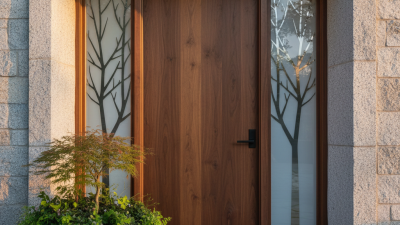
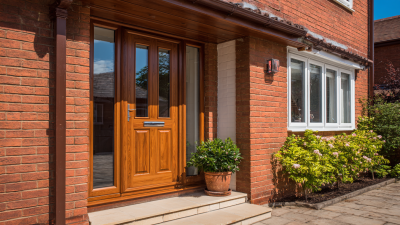
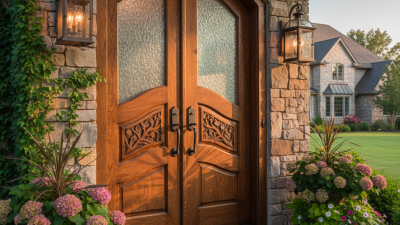
A front door should feel connected to the house, not like a separate decoration. For a traditional home, a paneled wood door with modest glazing often suits brick, clapboard, or stone. Craftsman houses pair well with sturdy rails and small divided panes, while a simple slab door can sharpen a contemporary facade. Keep proportions in mind. An oversized glass panel may look striking, but it can reduce privacy and reveal interiors at night.
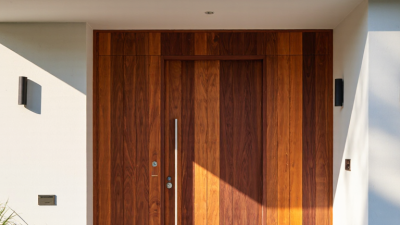
In a cottage or farmhouse, a half-lite door, muted paint, and visible wood grain can keep the entrance welcoming. Modern homes often suit flush panels, narrow vertical glass, or a finish that echoes the window frames. Consider the local weather, too. A door exposed to strong sun or frequent rain needs suitable construction and a finish made for those conditions. Steel and fiberglass can be practical choices; wood offers natural warmth but needs regular finish checks. No material is maintenance-free. Check that the door, frame, and threshold fit well, since even a beautiful style can feel disappointing when drafts or water find their way inside.
Tips: Before choosing, view a sample beside your exterior siding and in daylight. A style that looks perfect in a photo may feel too bold at home; that is worth admitting before ordering.
What Are the Best Types of Front Doors in 2026?
Choosing a front door means balancing security, upkeep, insulation, and appearance. Steel doors often suit tighter budgets and provide a sturdy feel, though dents can be difficult to repair. Fiberglass resists moisture and needs little maintenance, making it useful for exposed entries. Wood offers warmth and can be refinished, but usually needs more care. There is no perfect material. Climate and installation matter, too.
For a practical comparison, check the whole door system—not just its surface. Look at the frame, weatherstripping, glazing, and stated energy ratings. The U.S. Department of Energy recommends checking a door’s energy performance and fit to limit drafts. Cost also deserves context: Zonda’s 2024 Cost vs. Value report estimated that a steel entry-door replacement recouped 188.1% of its project cost nationally. That figure reflects one U.S. report and market conditions, not a guaranteed resale return. A door that sticks in winter is still a poor choice, even if it looks impressive.
Tips: Feel for drafts around the frame on a windy day. Ask an installer how the threshold will handle rain and daily traffic. Compare warranties and maintenance instructions in writing. And measure twice; even good doors disappoint when fitted badly.