10 Best Contemporary Doors for Modern Homes?
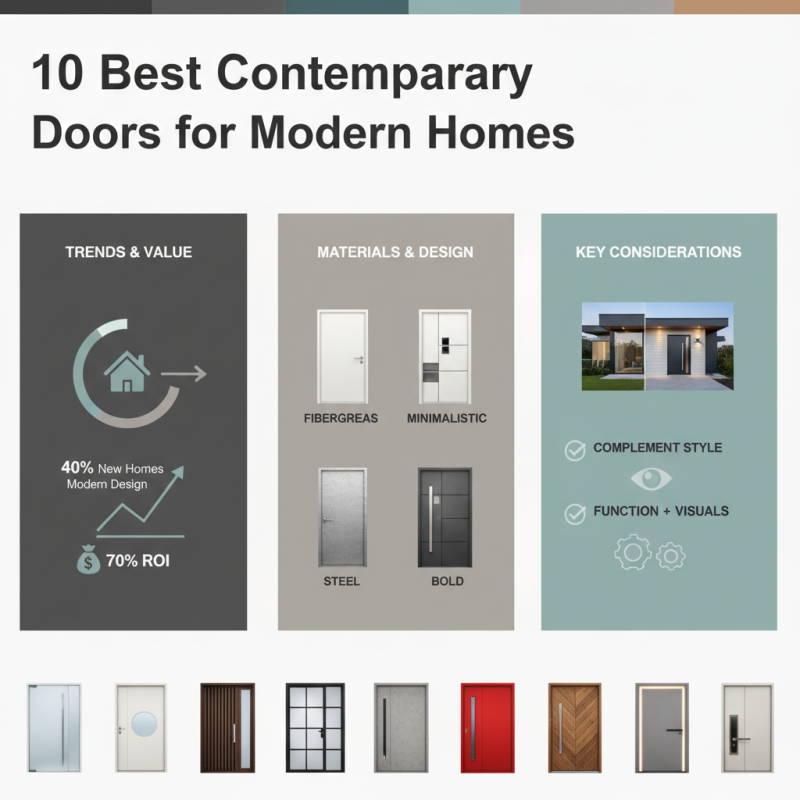
The rise of contemporary doors in modern homes reflects a shift in architectural and design trends. According to the annual report by the National Association of Home Builders, nearly 40% of new homes feature modern design elements, which prominently include sleek, stylish doors. Contemporary doors not only enhance aesthetic appeal but also offer improved energy efficiency due to advancements in materials and construction techniques.
Investing in quality contemporary doors can significantly boost property value. A study by Remodeling magazine noted that homeowners could recoup over 70% of their investment on new door installations. These doors come in a variety of materials, such as fiberglass and steel, with designs ranging from minimalistic to bold.
However, it’s essential to select doors that complement your home’s overall style. Many homeowners overlook this detail, leading to a mismatch in design. Choosing the right contemporary doors requires careful consideration of both functionality and visual impact. This choice can define the overall character of a home and reflect personal style. As trends evolve, staying informed about the best contemporary doors is vital for any homeowner looking to create a modern living space.
Factors Influencing the Selection of Contemporary Doors for Modern Homes
Choosing contemporary doors for modern homes requires careful consideration of several factors. A key factor is design compatibility. The doors must reflect the overall architecture of the house. According to a report by the American Institute of Architects, 74% of homeowners prefer designs that harmonize with the style of their home. This connection creates a seamless visual flow.
Material selection also plays a significant role. Many modern homes lean towards energy-efficient materials. A study by the Department of Energy highlights that doors made from fiberglass or steel can reduce energy loss by up to 50%. However, many homeowners overlook the maintenance needed for these materials. Some may assume fiberglass requires little upkeep, yet its surface can scratch easily and may need refinishing.
Security is yet another essential consideration. Contemporary doors should not only look stylish but also provide safety. Data from the Bureau of Justice Statistics indicates that homes with quality doors can deter break-ins by 60%. While aesthetics are important, balancing security features with design is crucial. Many homeowners may prioritize looks over sturdiness, which can invite regret later.
Top 10 Factors Influencing the Selection of Contemporary Doors for Modern Homes
Top Materials Used in Contemporary Door Design and Their Benefits
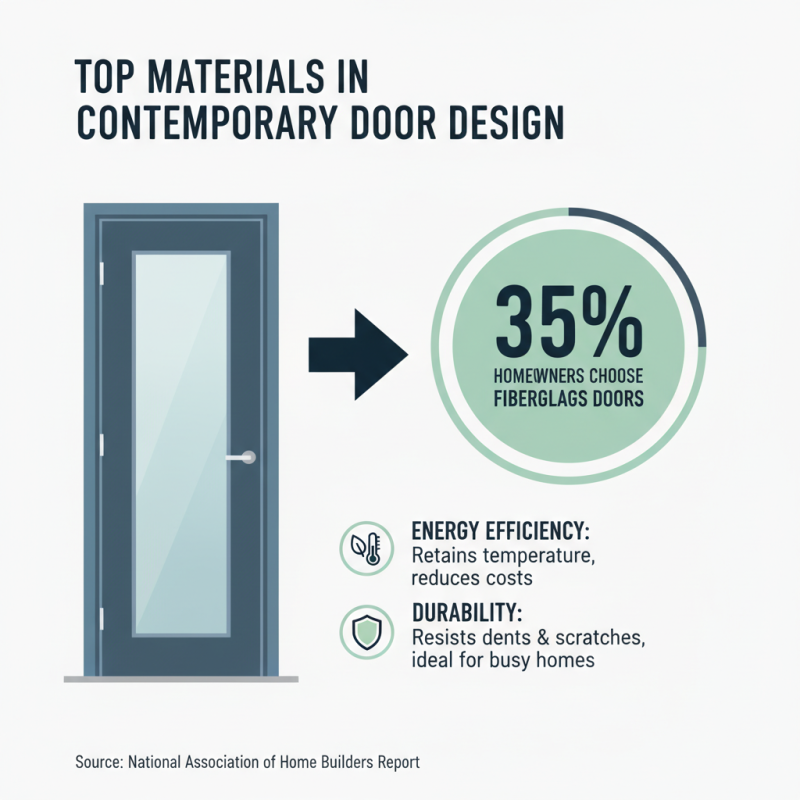
Contemporary door designs prioritize materials that enhance both aesthetics and functionality. A report from the National Association of Home Builders states that 35% of homeowners choose fiberglass doors for their energy efficiency and durability. Fiberglass retains temperature well, reducing energy costs for the homeowner. It also resists dents and scratches, making it ideal for busy households.
Another popular choice is solid wood. According to the Door and Window Manufacturers Association, 28% of consumers prefer wood due to its natural beauty and sustainable properties. Wooden doors can be customized easily, allowing homeowners to express their unique style. However, they require regular maintenance to prevent warping, which can be a potential drawback.
Metal doors are also gaining traction. The American Iron and Steel Institute reports that metal doors provide high security and resistance to the elements. They are robust but can be susceptible to rust if not treated correctly. The aesthetic versatility of metal can enhance a home’s modern look, yet it may lack the warmth found in other materials. Each option presents distinct benefits and challenges, demanding careful consideration from homeowners.
Energy Efficiency Ratings of Contemporary Doors and Their Importance
When considering contemporary doors for modern homes, energy efficiency ratings play a crucial role. These ratings indicate how well a door can insulate against heat and cold. According to the U.S. Department of Energy, a well-insulated door can reduce energy bills by 10 to 20%. Homeowners often overlook this aspect, focusing instead on aesthetics. However, the choice of door can significantly impact overall energy consumption.
Modern doors are typically rated under the Energy Star program. This program provides benchmarks for thermal performance. For instance, a door with a U-factor of 0.17 performs better in terms of insulation than a door with a U-factor of 0.35. The difference can mean substantial energy savings. In colder climates, doors with a higher R-value offer increased resistance to heat flow. Data from the National Fenestration Rating Council shows that enhancing door efficiency can contribute to a home's sustainability goals.
Yet, not all contemporary doors meet these energy standards. Homeowners should research product specifications thoroughly. Many available options lack transparency in their ratings. In a survey, 46% of homeowners stated they did not know how to assess a door's energy efficiency. This gap in knowledge highlights the need for better industry education. Understanding energy performance metrics can empower homeowners to make informed decisions that align with both style and sustainability.
10 Best Contemporary Doors for Modern Homes
| Door Type |
Material |
Energy Efficiency Rating |
Price Range |
Features |
| Sliding Door |
Vinyl |
Energy Star |
$800 - $1,200 |
Large glass panes, space-saving design |
| French Door |
Fiberglass |
U-Factor 0.30 |
$1,000 - $2,500 |
Elegant design, customizable options |
| Swing Door |
Wood |
R-Value 6.5 |
$600 - $1,500 |
Classic appeal, customizable finishes |
| Bi-Fold Door |
Aluminum |
Energy Star |
$1,500 - $3,000 |
Maximizes opening space, modern look |
| Glass Panel Door |
Tempered Glass |
U-Factor 0.25 |
$900 - $2,000 |
Stylish, allows natural light |
| Pivot Door |
Steel |
Energy Efficient |
$1,500 - $3,500 |
Impressive design, space-efficient |
| Pocket Door |
Wood |
Energy Star |
$600 - $1,200 |
Space-saving feature |
| Accordion Door |
PVC |
Not Rated |
$300 - $800 |
Flexible usage, easy operation |
| Screen Door |
Aluminum |
Not Rated |
$200 - $400 |
Enhances ventilation |
| Storm Door |
Glass/Metal |
UV Resistant |
$150 - $700 |
Additional protection, energy saving |
Trends in Contemporary Door Styles and Their Impact on Home Aesthetics
Contemporary door styles have evolved significantly, influencing home aesthetics in modern architecture. According to a recent industry report, over 70% of homeowners prioritize door design when renovating. Sleek and minimalistic designs often appeal to those seeking modernity. Materials like glass, metal, and composite are trending, creating a seamless connection between indoor and outdoor spaces.
The choice of color also impacts aesthetics. Neutral tones are prevalent, yet bold hues and textures are gaining traction. This reflects a desire for individuality. However, the challenge remains: balancing personal taste with resale value. While unique designs can enhance visual appeal, they may not cater to all buyer preferences.
Interestingly, the rise of eco-friendly materials has reshaped the door market. Research shows that homes featuring sustainable doors attract 30% more potential buyers. This trend speaks to the growing awareness of environmental impact. Homeowners are now reflecting their values through their choices in door styles. Finding that balance can be a complicated endeavor but is crucial for a modern home.
Cost Analysis of High-Quality Contemporary Doors for Homeowners
When considering high-quality contemporary doors for modern homes, cost analysis becomes essential. These doors are not just functional; they enhance the overall aesthetic of your space. Prices can vary widely, ranging from budget-friendly options to luxury selections. On average, homeowners can expect to pay between $500 to $1,500 for a high-quality door.
Material plays a significant role in pricing. Solid wood doors often cost more due to their durability and classic appeal. Metal and fiberglass options can be more affordable and provide excellent insulation. However, one must be cautious. A lower price might indicate compromised quality. Cheaper doors may need replacement sooner, negating initial savings.
Installation costs should also be considered. Professional installation averages around $300, further impacting the total investment. DIY installation might seem appealing, yet it can lead to errors without proper knowledge. Each aspect, from design to installation, requires careful thought. This careful balance between cost and quality will ensure a satisfactory investment in your home.